かしまじんぐう
御朱印・神社お寺の検索サイト
楽しみ方鹿島神宮のお参りの記録(1回目)
投稿日:2024年01月07日(日) 22時47分57秒
⛩️our video
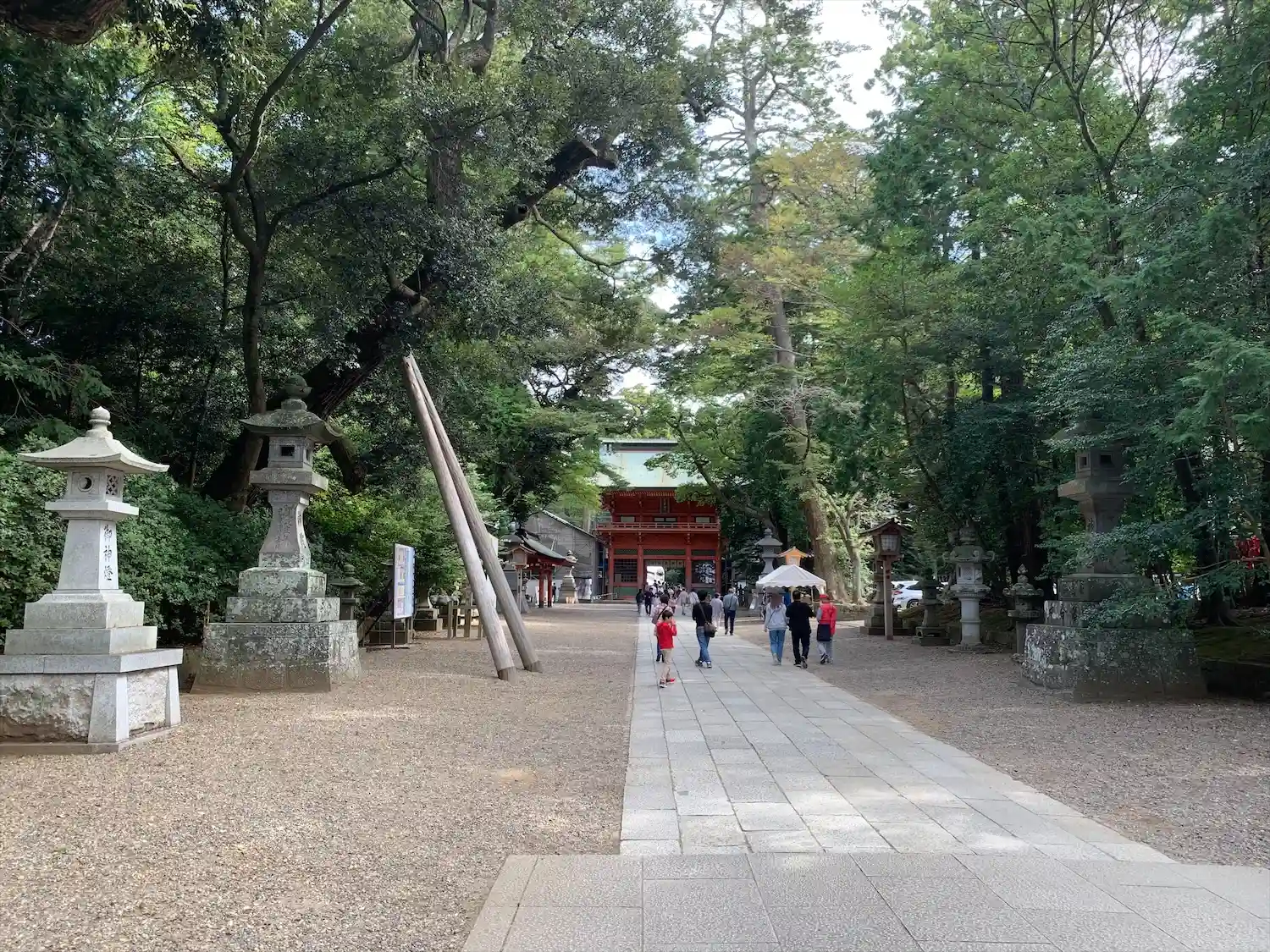
Kashima Jingu According to legend, was est. in the first year of legendary Emperor Jimmu, 660 BC
https://youtu.be/JKlKkG-ITLw
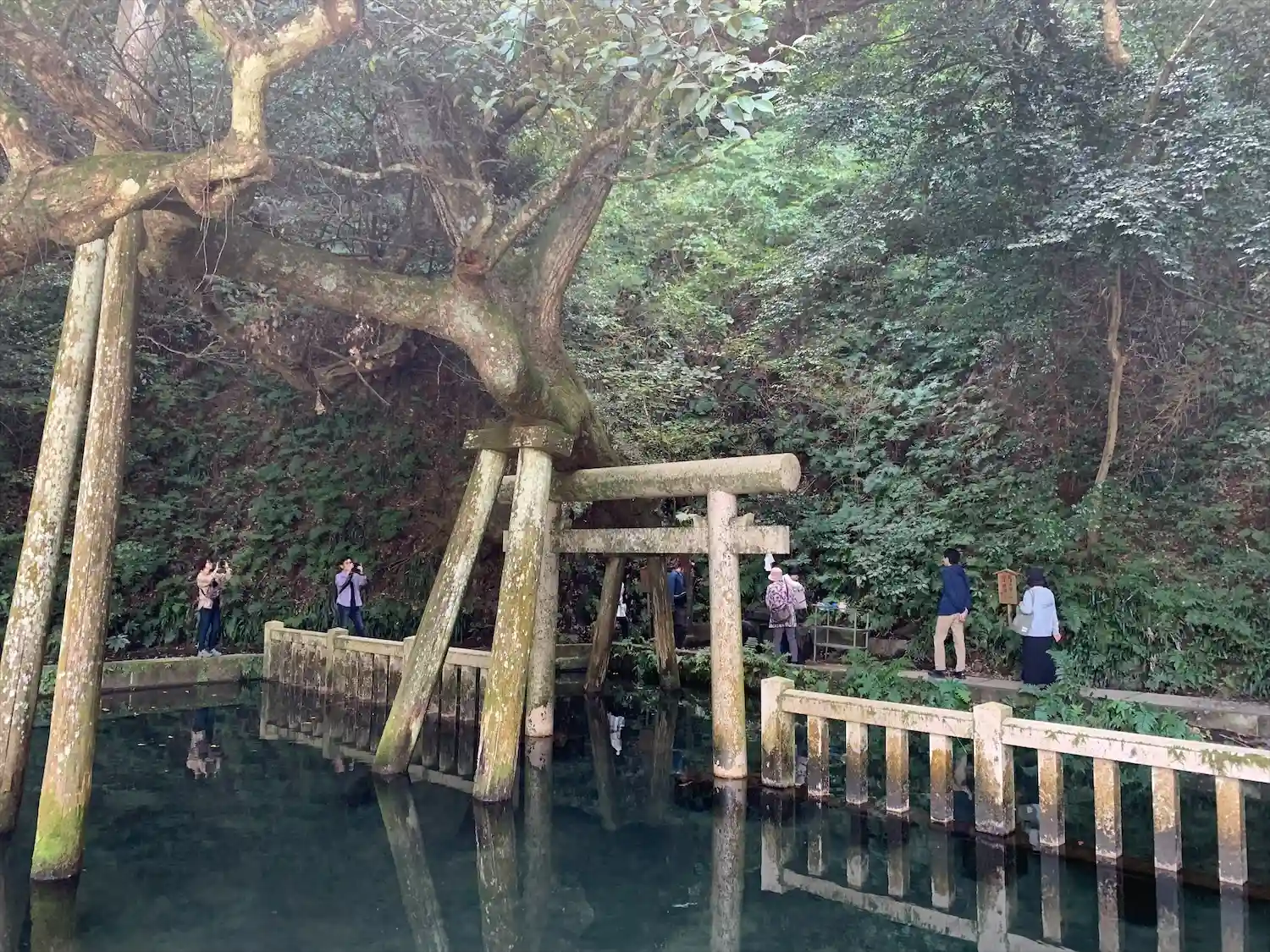
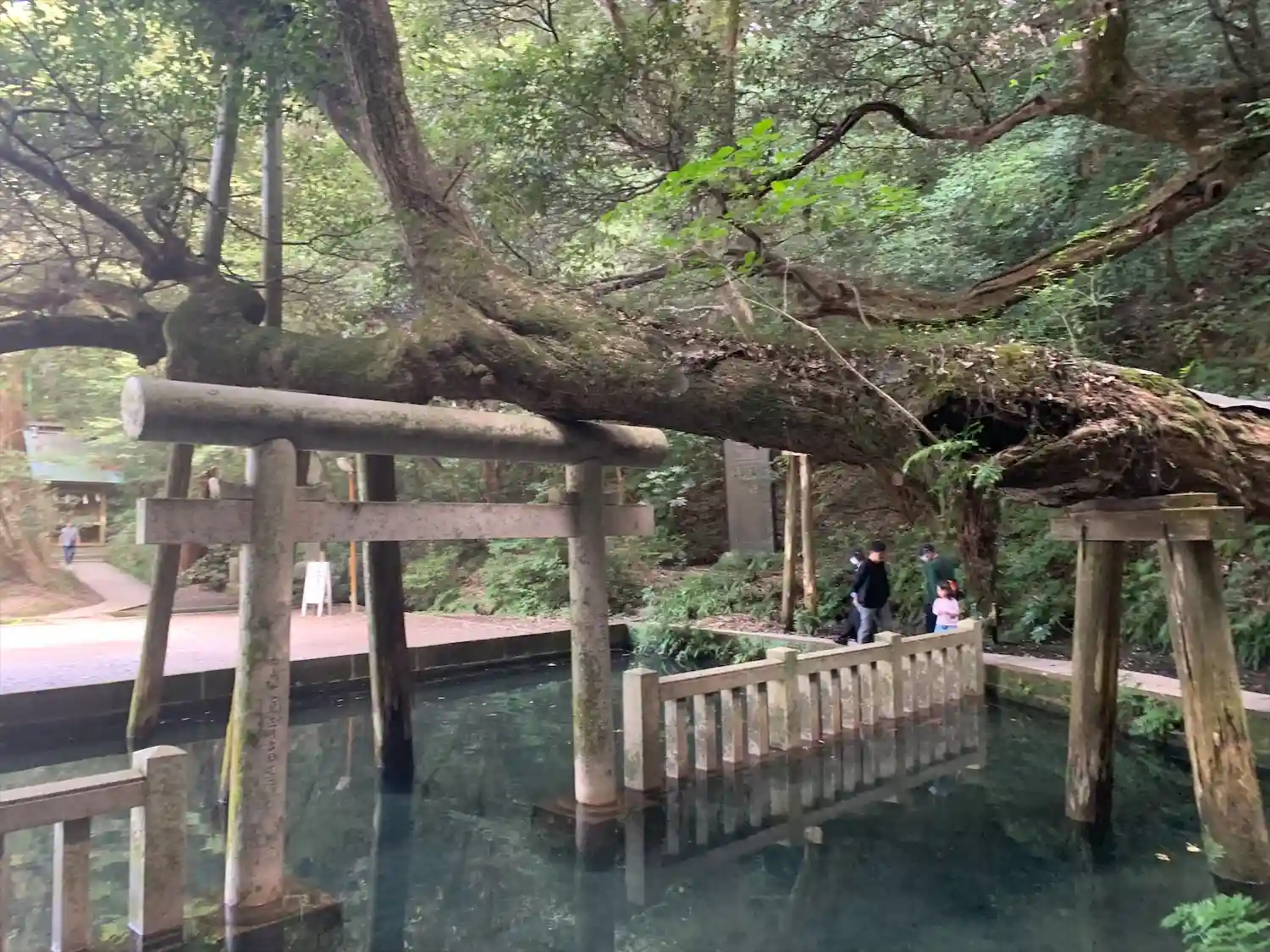
Kashima Shrine (鹿島神宮, Kashima Jingū) is a Shinto shrine located in Kashima, Ibaraki in the northern Kantō region of Japan. It is dedicated to Takemikazuchi-no-Ōkami (武甕槌大神), one of the patron deities of martial arts. Various dōjō of kenjutsu and kendō often display a hanging scroll emblazoned with the name "Takemikazuchi-no-Ōkami". Prior to World War II, the shrine was ranked as one of the three most important imperial shrines Jingū (神宮) in the Shinto hierarchy, along with Ise Grand Shrine (伊勢神宮 Ise Jingū) and Katori Shrine (香取神宮 Katori Jingū). During the New Year period, from the first to the third of January, Kashima Shrine is visited by over 600,000 people from all over Japan. It is the second most visited shrine in Ibaraki prefecture for new year pilgrims.
Kashima Shrine is located at the top of the Kashima plateau in south-east Ibaraki Prefecture, intersecting Lake Kitaura and Kashima Bay and in close proximity to Katori Shrine, which also has a strong connection to the martial arts. The shrine is the home of the Kashima Shintō-ryū (鹿島新当流) school of Japanese swordsmanship. Tsukahara Bokuden (塚原 卜伝, 1489 - March 6, 1571), one of the most distinguished swordmasters in Japanese history, was a frequent visitor to the shrine and developed the school from a combination of his own experiences as a shugyōsha during Musha shugyō (武者修行) and the Tenshin Shōden Katori Shintō-ryū (天真正伝香取神道流).
A large blade designated as a National Treasure known as the Futsu-no-Mitama Sword (布都御魂剣) is housed in the treasure house of Kashima Shrine.
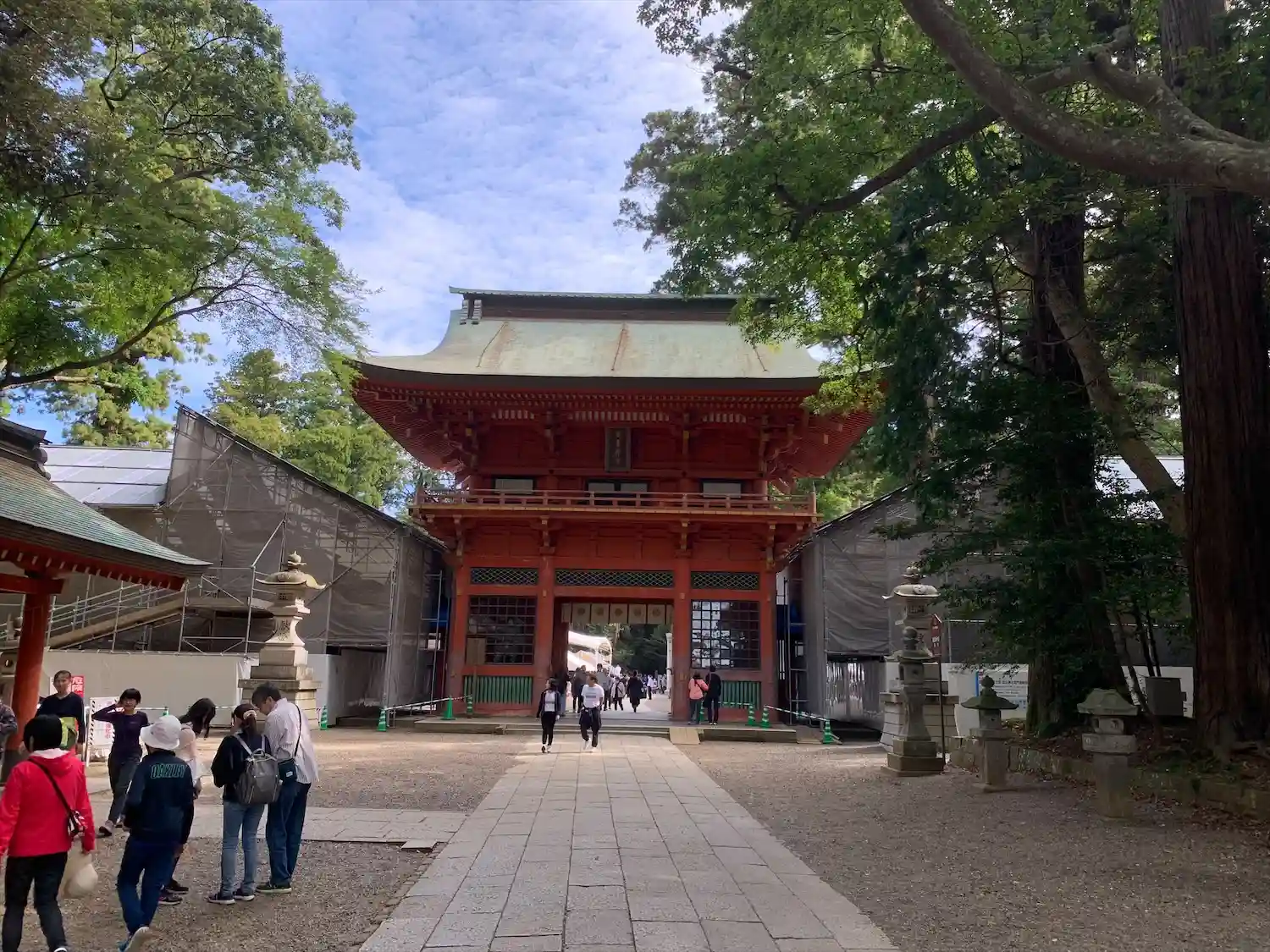
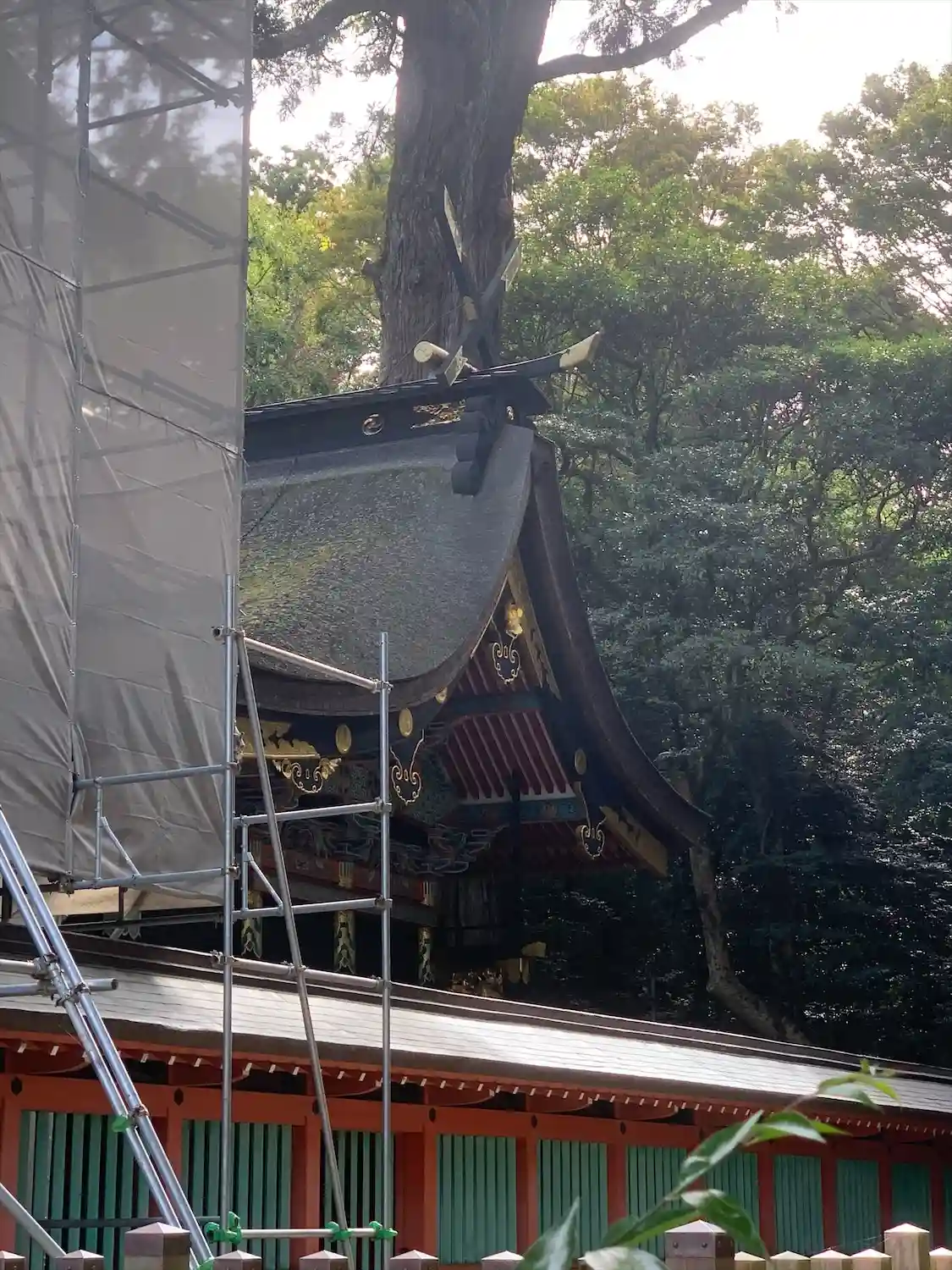
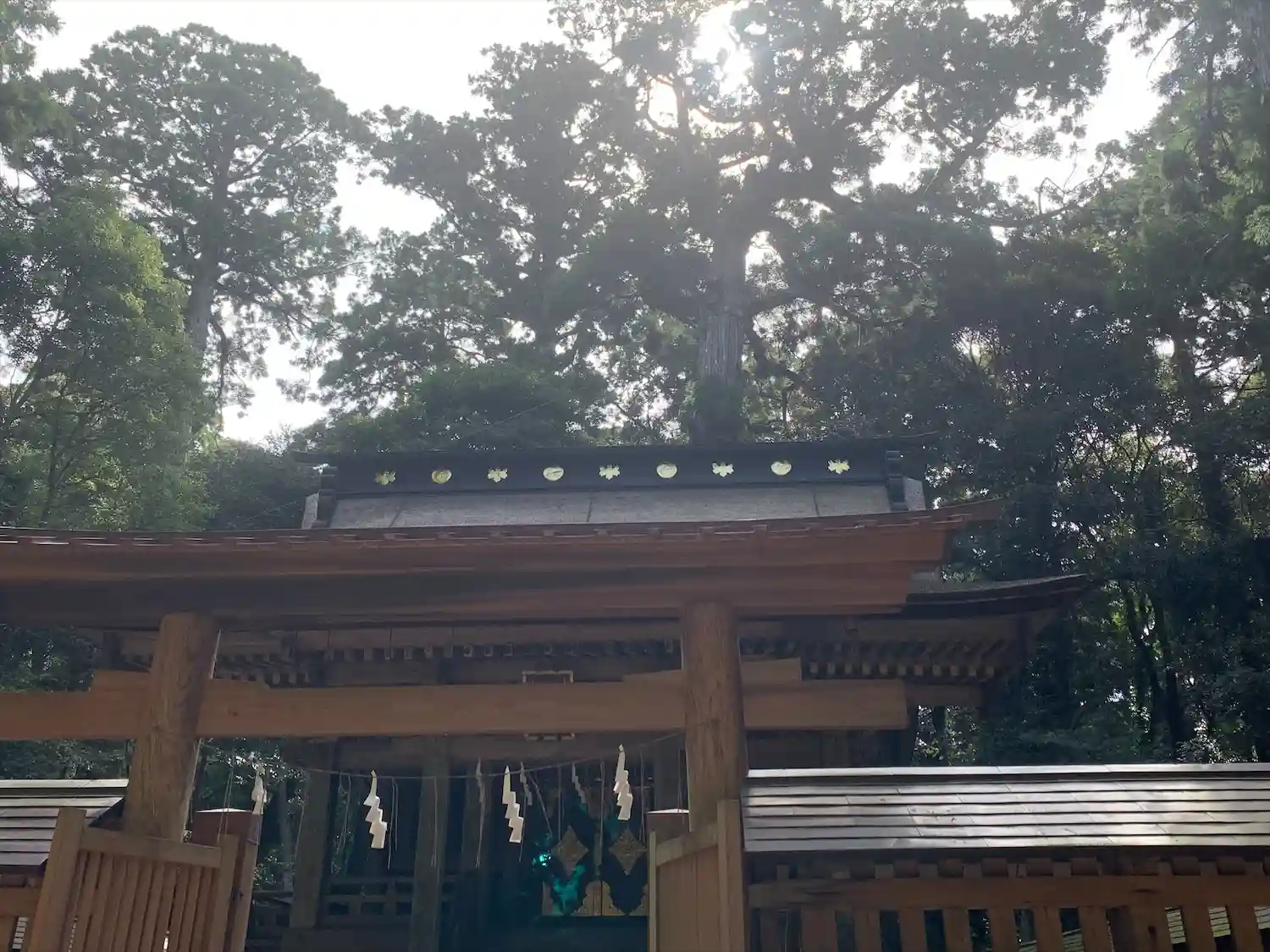
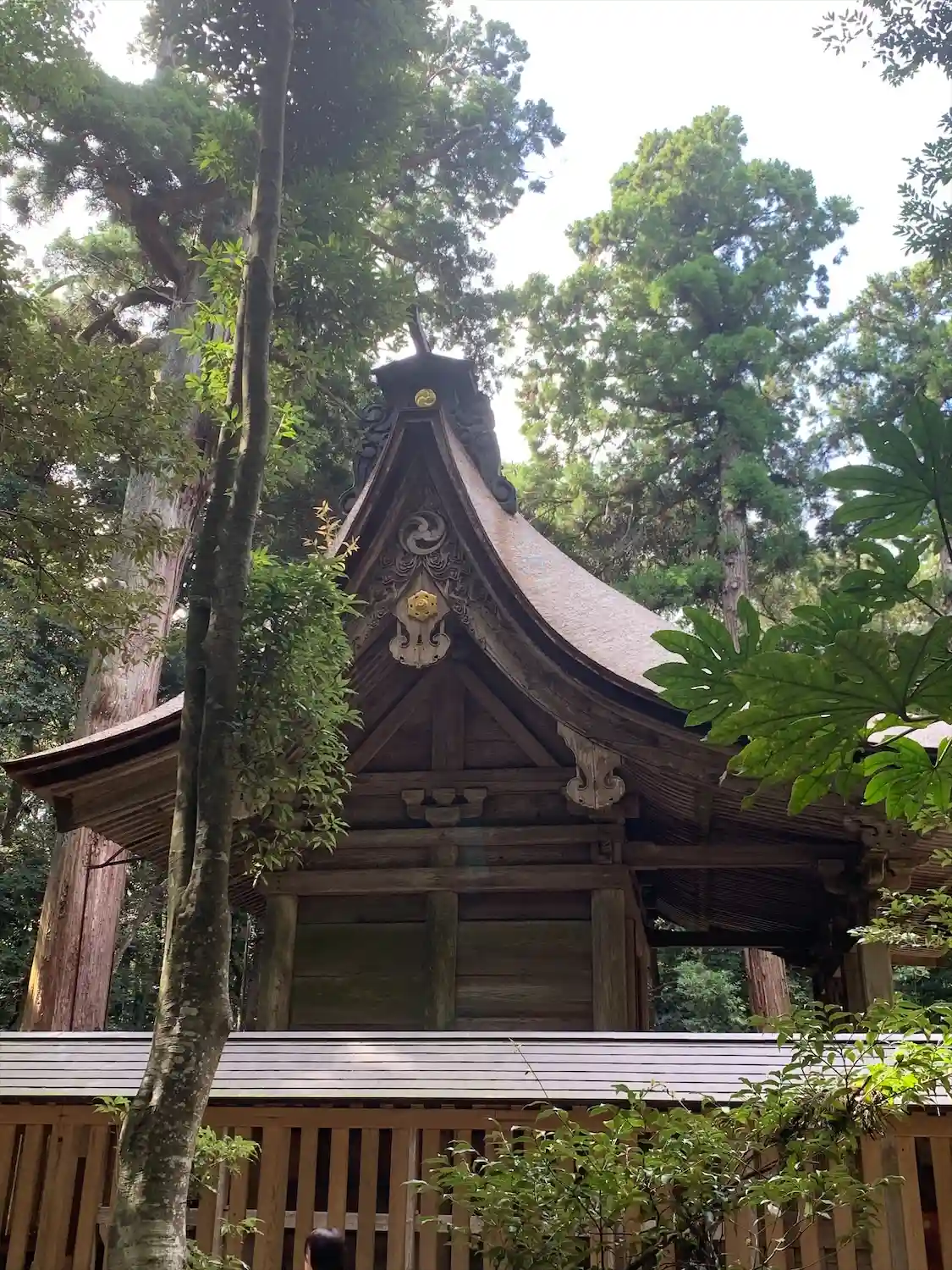
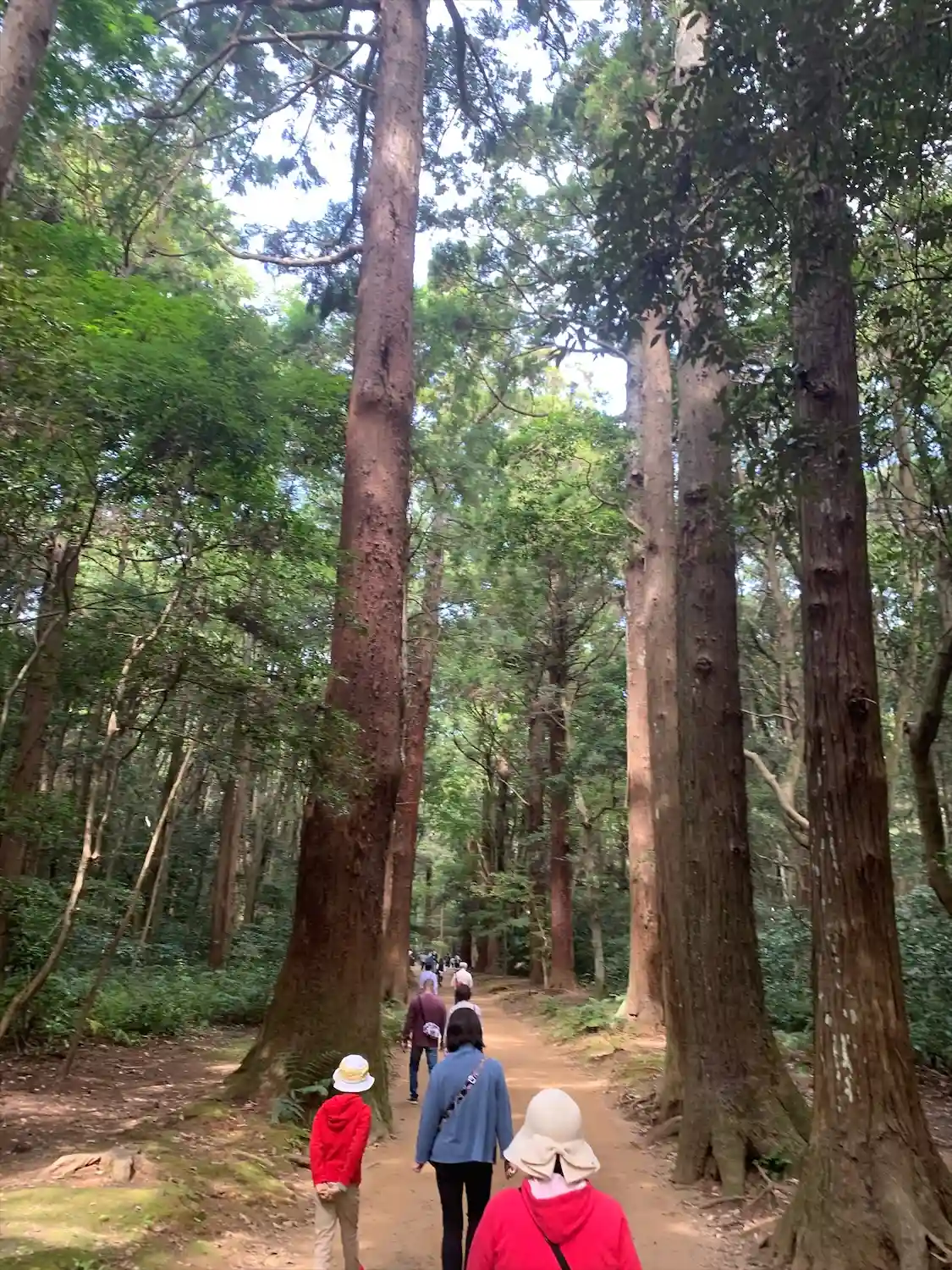
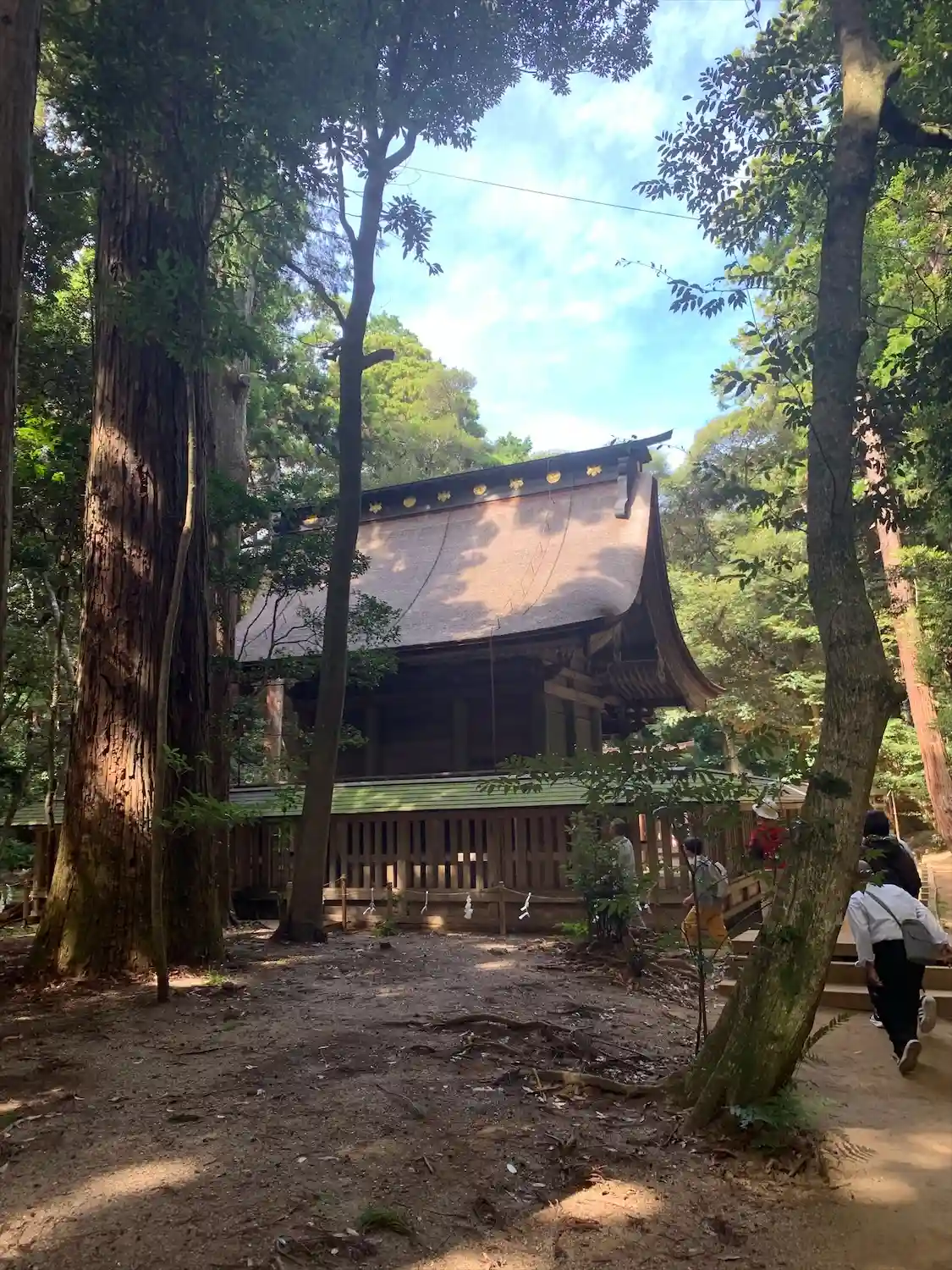
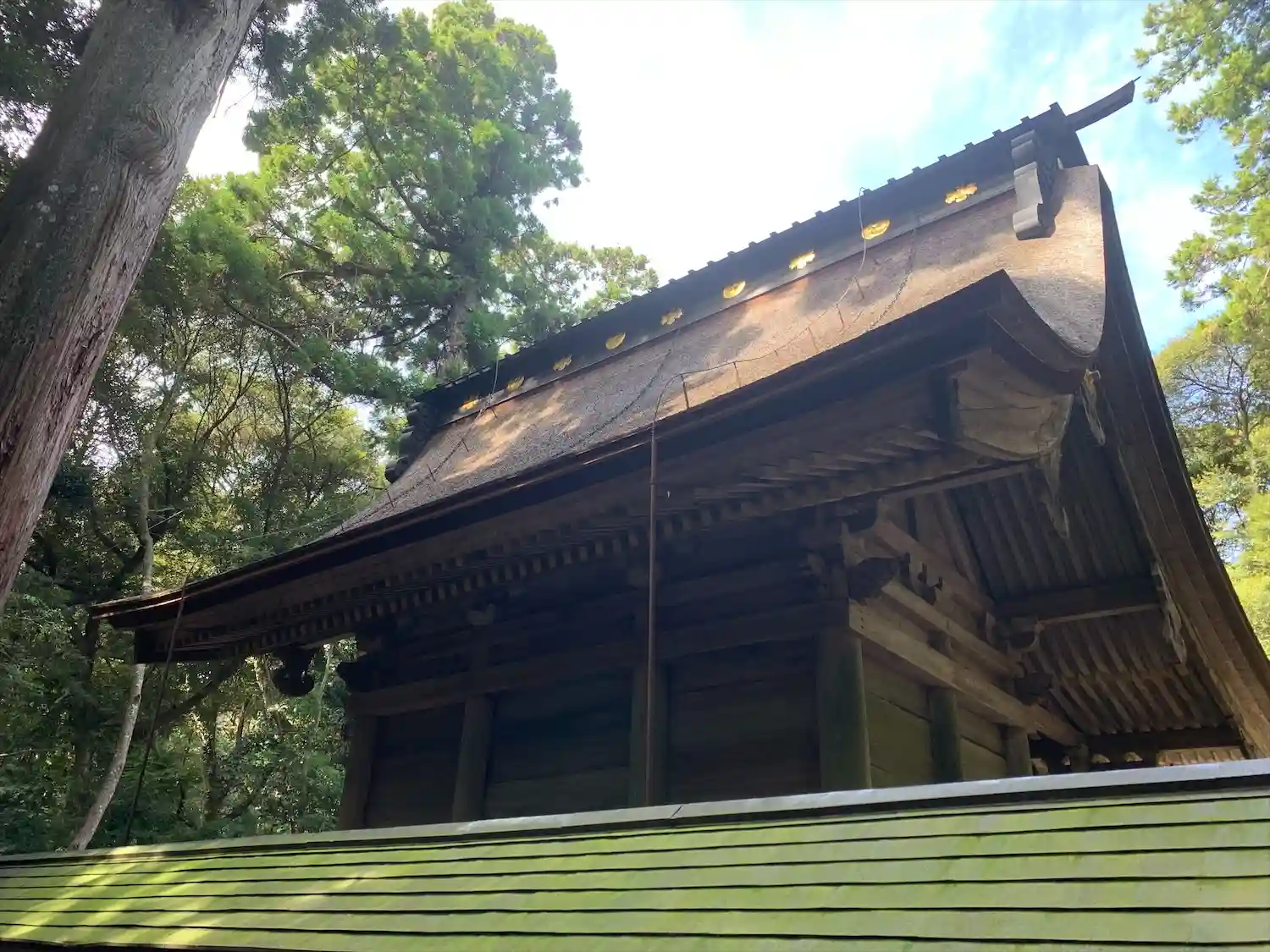
The Honden (main shrine building), Haiden (prayer hall) and Rōmon tower gate entrance are all Edo period structures, and are National Important Cultural Properties. The gate is one of the largest three shrine entrances in Japan. A deer enclosure is also located down the forest path. Both Kashima Shrine's deer and those of Nara are considered messengers of the gods and hence share a strong connection.
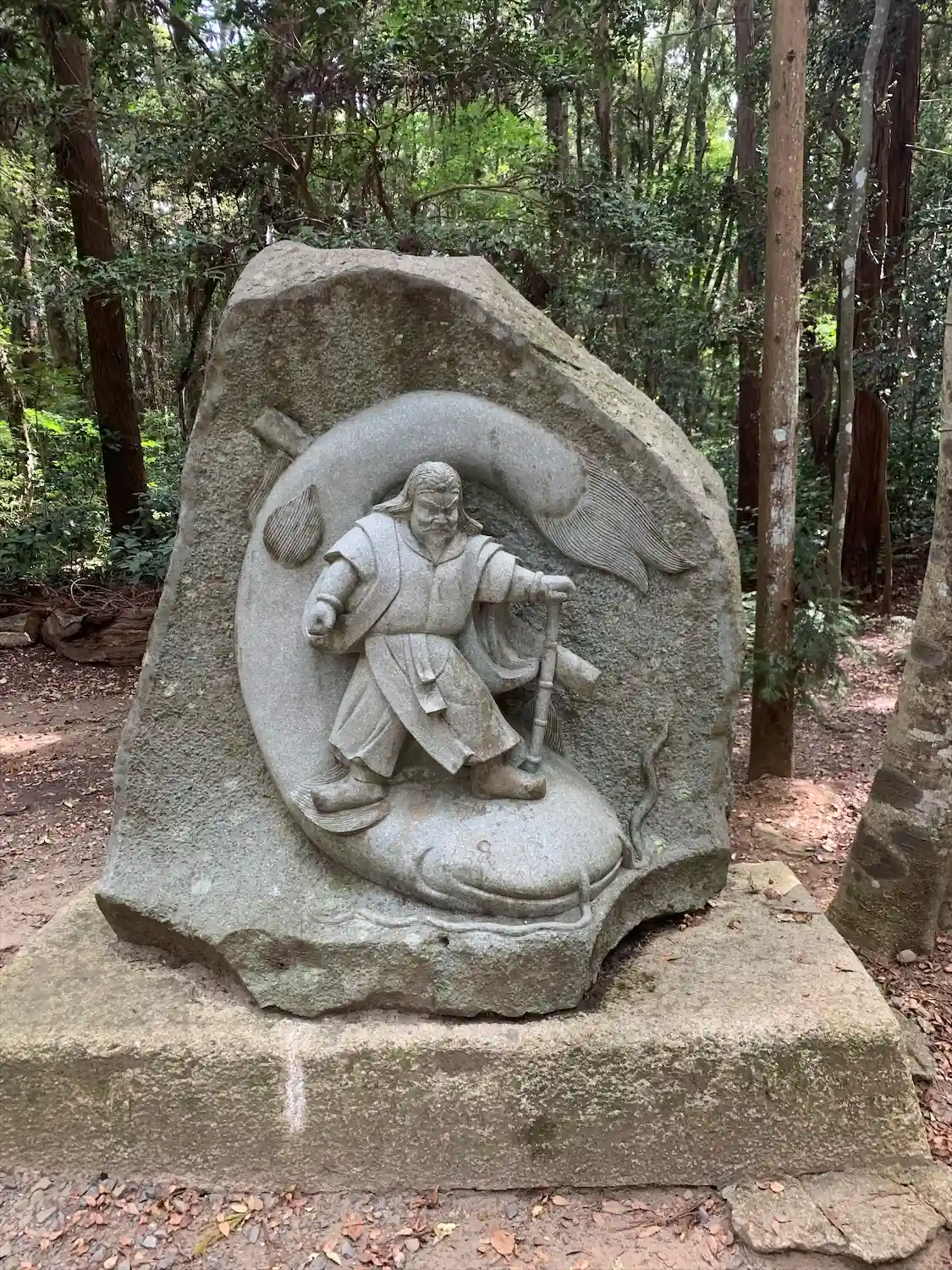
Kashima Ōkami (鹿島大神, Kashima-no-Ōkami) is the official title of the main enshrined deity and identified as Takemikazuchi (武甕槌大神). In some historical texts he is also known as the great god of thunder.
According to legend, Izanagi, beheaded his own son Kagutsuchi the fire deity, as punishment for burning his mother to death. As he performed the act the blood dripped from his sword splashing onto the rocks below him, giving birth to several kami, two of which were Takemikazuchi along with Futsunushi (経津主神, Futsunushi-no-kami) the deity of Katori Shrine. Per the Nihon Shoki, Takemikazuchi was the deity who provided Emperor Jimmu with a sword as he departed for the conquest of Yamato, which is one reason the shrine is regarded as a patron. However, there is no mention of the shrine in either the Nihon Shoki or the Kojiki and the earliest written records, the Hitachi Fudoki, does not identify the Kashima-no-Ōkami with Takemikazuchi.
According the shrine legend, Kashima Jingū was established in the first year of the legendary Emperor Jimmu, i.e. 660 BC. This is well into Japanese prehistory, and the oldest written records mentioning the shrine are in the Asuka period Fudoki (風土記) of Hitachi province, indicating that a kobe (神戸), or private house of ritual was rebuilt in 649 AD on a site where the great celestial god Kashima (香島の天の大神, Kashima-no-ten-no-Ōkami) descended from the heavens and where religious ceremonies and festivals had been held since the time of Emperor Sujin, Yamato Takeru and Emperor Tenji. This region was the ancestral stronghold of the Nakatomi clan, who were strongly allied to the Yamato court, and the area around Kashima became a center for strengthening the imperial court's control of eastern Japan following the Taika Reform. As both a war deity and a water deity, the Kashima kami were connected with military campaigns against the Emishi tribes of northern Japan. The treasury of the shrine has a one bucket said to have been a war trophy once owned by the Emishi leader Aterui.
Kashima Jingu According to legend, was est. in the first year of legendary Emperor Jimmu, 660 BC
https://youtu.be/JKlKkG-ITLw
Kashima Shrine (鹿島神宮, Kashima Jingū) is a Shinto shrine located in Kashima, Ibaraki in the northern Kantō region of Japan. It is dedicated to Takemikazuchi-no-Ōkami (武甕槌大神), one of the patron deities of martial arts. Various dōjō of kenjutsu and kendō often display a hanging scroll emblazoned with the name "Takemikazuchi-no-Ōkami". Prior to World War II, the shrine was ranked as one of the three most important imperial shrines Jingū (神宮) in the Shinto hierarchy, along with Ise Grand Shrine (伊勢神宮 Ise Jingū) and Katori Shrine (香取神宮 Katori Jingū). During the New Year period, from the first to the third of January, Kashima Shrine is visited by over 600,000 people from all over Japan. It is the second most visited shrine in Ibaraki prefecture for new year pilgrims.
Kashima Shrine is located at the top of the Kashima plateau in south-east Ibaraki Prefecture, intersecting Lake Kitaura and Kashima Bay and in close proximity to Katori Shrine, which also has a strong connection to the martial arts. The shrine is the home of the Kashima Shintō-ryū (鹿島新当流) school of Japanese swordsmanship. Tsukahara Bokuden (塚原 卜伝, 1489 - March 6, 1571), one of the most distinguished swordmasters in Japanese history, was a frequent visitor to the shrine and developed the school from a combination of his own experiences as a shugyōsha during Musha shugyō (武者修行) and the Tenshin Shōden Katori Shintō-ryū (天真正伝香取神道流).
A large blade designated as a National Treasure known as the Futsu-no-Mitama Sword (布都御魂剣) is housed in the treasure house of Kashima Shrine.
The Honden (main shrine building), Haiden (prayer hall) and Rōmon tower gate entrance are all Edo period structures, and are National Important Cultural Properties. The gate is one of the largest three shrine entrances in Japan. A deer enclosure is also located down the forest path. Both Kashima Shrine's deer and those of Nara are considered messengers of the gods and hence share a strong connection.
Kashima Ōkami (鹿島大神, Kashima-no-Ōkami) is the official title of the main enshrined deity and identified as Takemikazuchi (武甕槌大神). In some historical texts he is also known as the great god of thunder.
According to legend, Izanagi, beheaded his own son Kagutsuchi the fire deity, as punishment for burning his mother to death. As he performed the act the blood dripped from his sword splashing onto the rocks below him, giving birth to several kami, two of which were Takemikazuchi along with Futsunushi (経津主神, Futsunushi-no-kami) the deity of Katori Shrine. Per the Nihon Shoki, Takemikazuchi was the deity who provided Emperor Jimmu with a sword as he departed for the conquest of Yamato, which is one reason the shrine is regarded as a patron. However, there is no mention of the shrine in either the Nihon Shoki or the Kojiki and the earliest written records, the Hitachi Fudoki, does not identify the Kashima-no-Ōkami with Takemikazuchi.
According the shrine legend, Kashima Jingū was established in the first year of the legendary Emperor Jimmu, i.e. 660 BC. This is well into Japanese prehistory, and the oldest written records mentioning the shrine are in the Asuka period Fudoki (風土記) of Hitachi province, indicating that a kobe (神戸), or private house of ritual was rebuilt in 649 AD on a site where the great celestial god Kashima (香島の天の大神, Kashima-no-ten-no-Ōkami) descended from the heavens and where religious ceremonies and festivals had been held since the time of Emperor Sujin, Yamato Takeru and Emperor Tenji. This region was the ancestral stronghold of the Nakatomi clan, who were strongly allied to the Yamato court, and the area around Kashima became a center for strengthening the imperial court's control of eastern Japan following the Taika Reform. As both a war deity and a water deity, the Kashima kami were connected with military campaigns against the Emishi tribes of northern Japan. The treasury of the shrine has a one bucket said to have been a war trophy once owned by the Emishi leader Aterui.
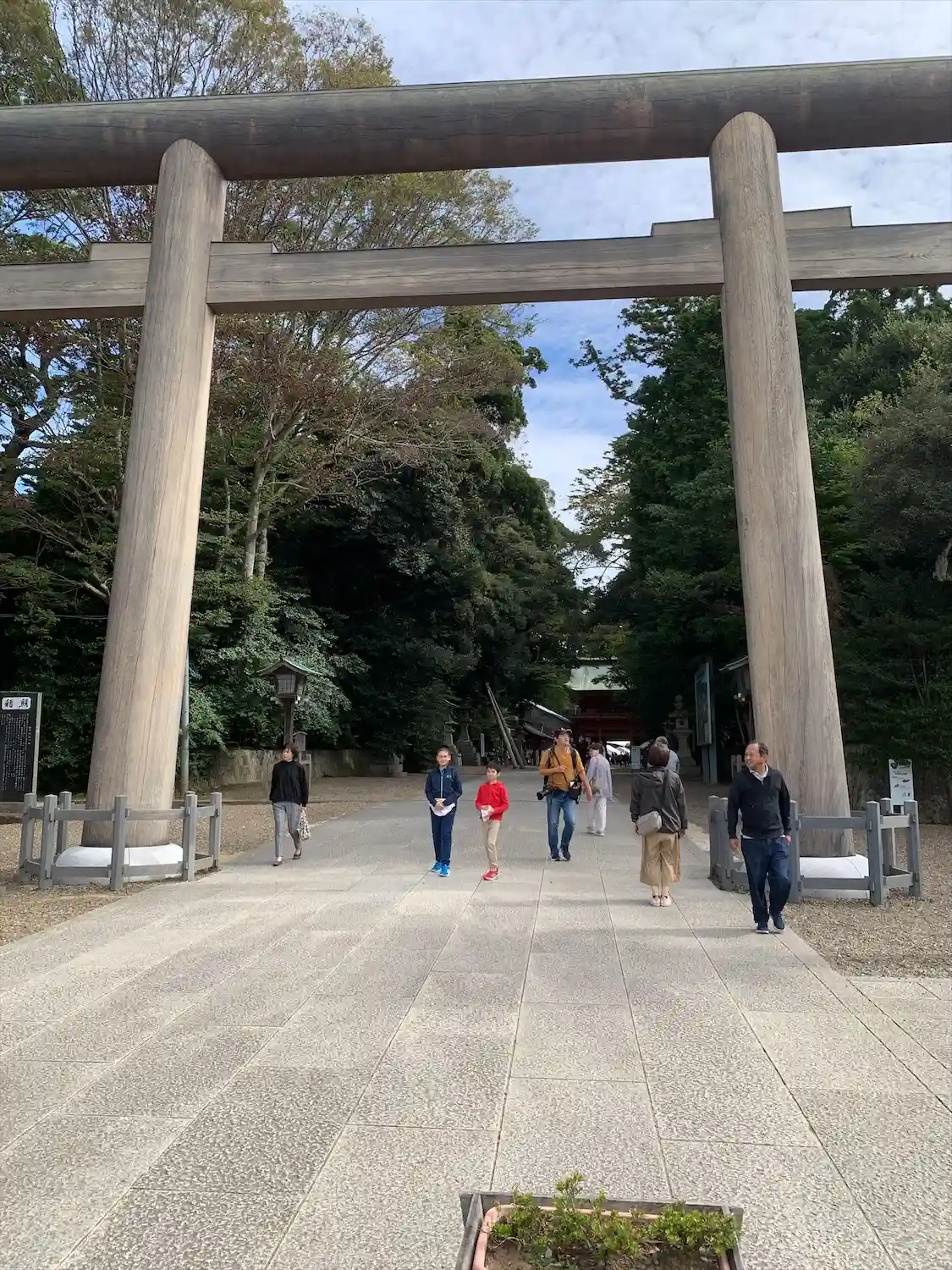
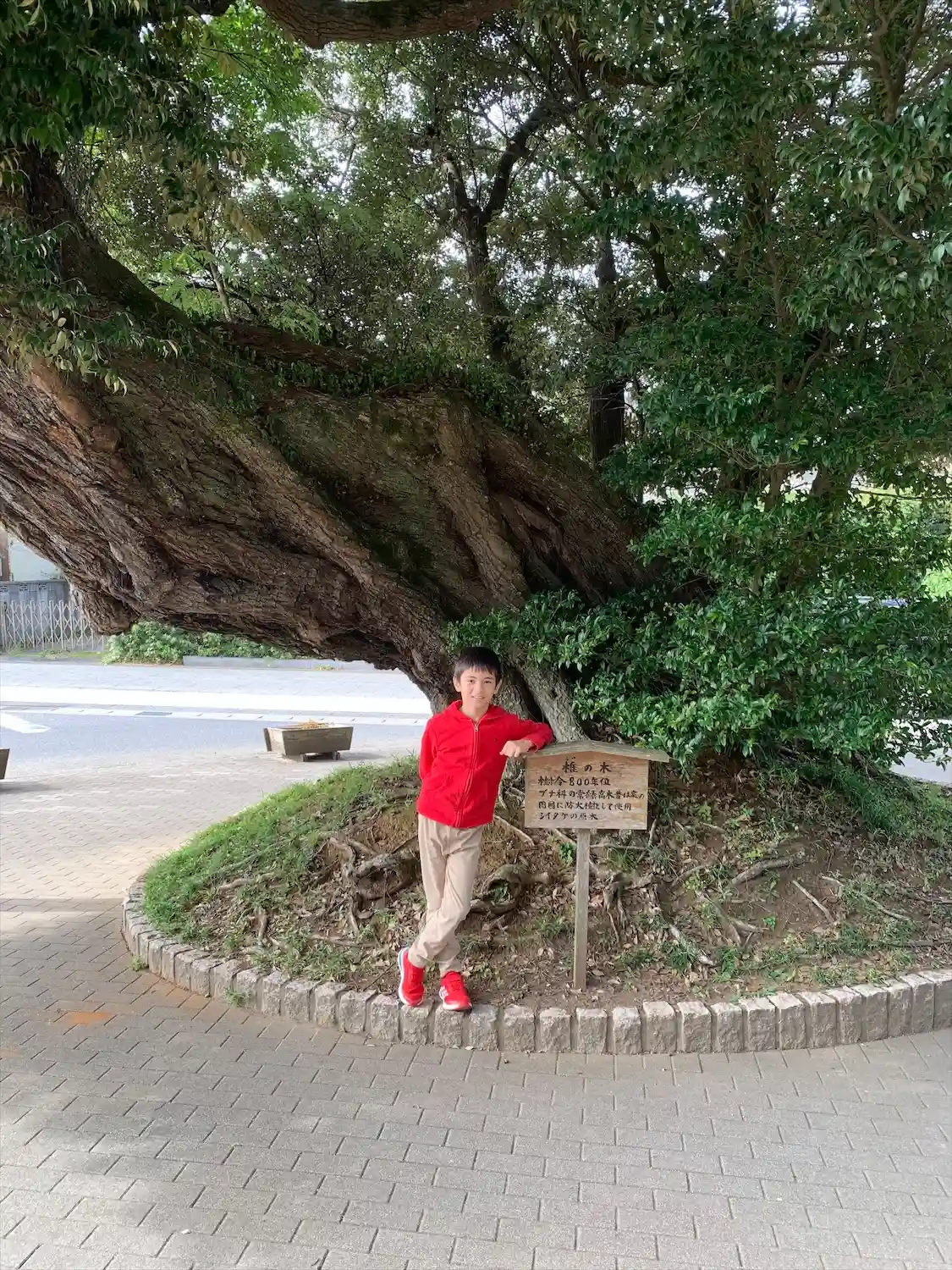
すてき

投稿者のプロフィール

Mon-k160投稿
My son and I have started visiting Jinja and Otera, documenting our visits on YouTube Looking fo...もっと読む
ホトカミ見ました! で広がるご縁
ホトカミを見てお参りされた際は、もし話す機会があれば神主さんに、「ホトカミ見てお参りしました!」とお伝えください。
神主さんも、ホトカミを通じてお参りされる方がいるんだなぁと、ホトカミ無料公式登録して、情報を発信しようという気持ちになるかもしれませんし、
「ホトカミ見ました!」きっかけで豊かな会話が生まれたら、ホトカミ運営の私たちも嬉しいです。
茨城県のおすすめ2選🌸
広告


ホトカミの投稿一覧