ねづじんじゃ
根津神社のお参りの記録一覧東京都 根津駅
20 / 22ページ476〜500件533件中
御朱印・神社お寺の検索サイト
楽しみ方ねづじんじゃ


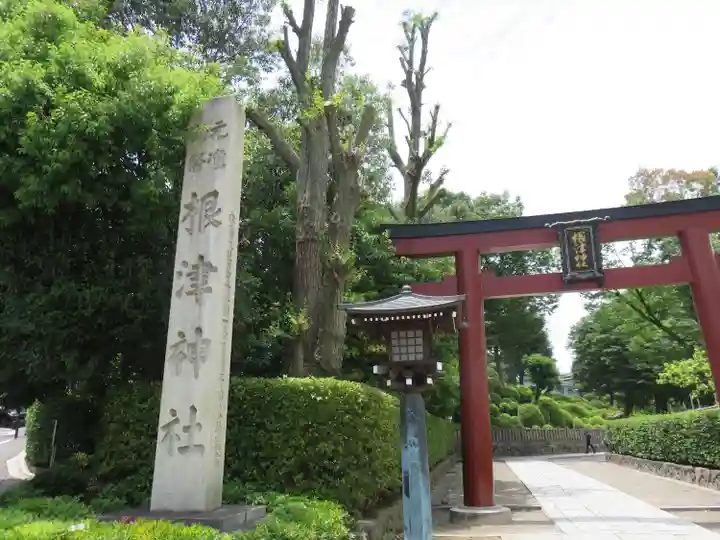
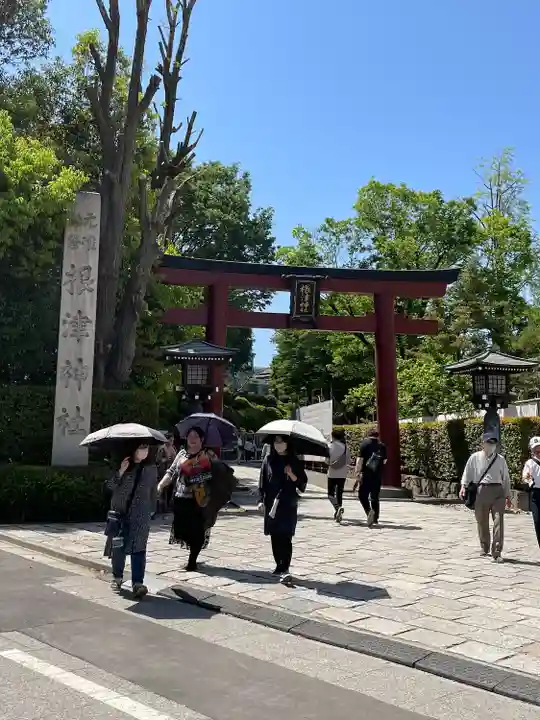
東京メトロ千代田線「根津」から徒歩数分でした。他に「千駄木」や南北線「東大前」などもほぼ同距離のようです。
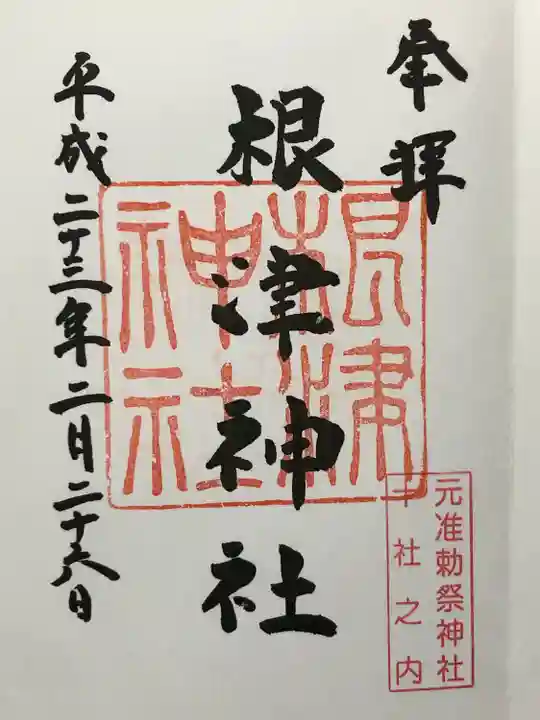
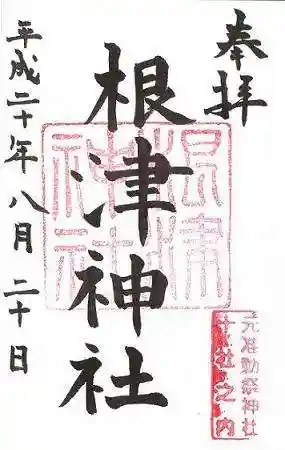
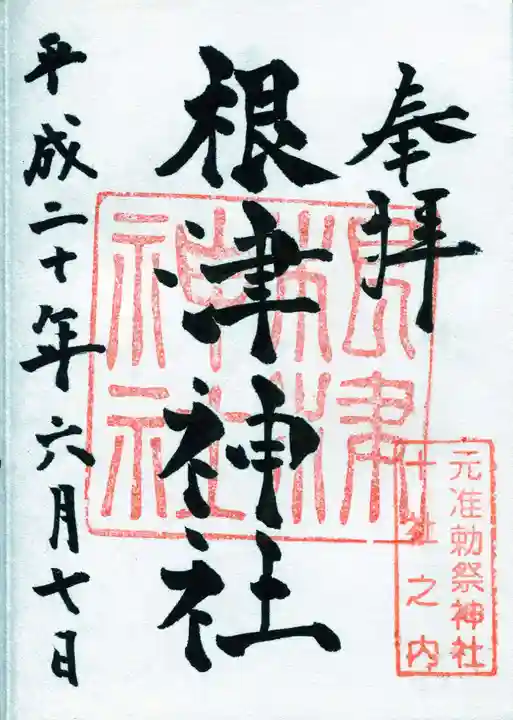
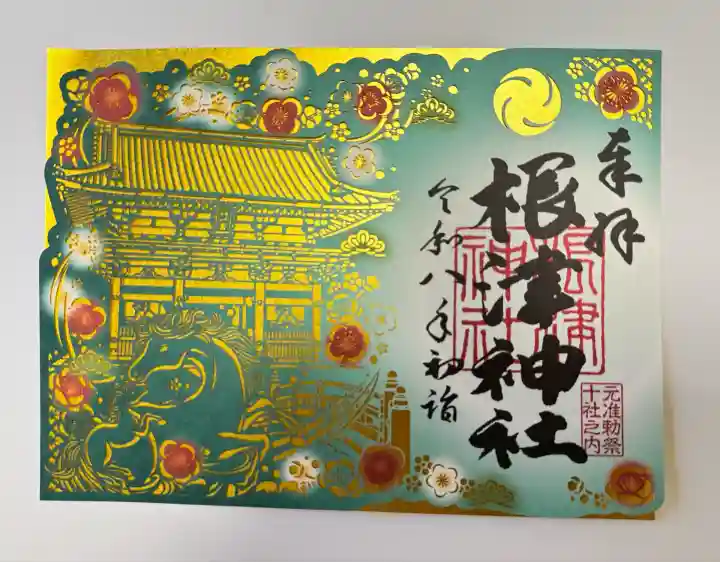
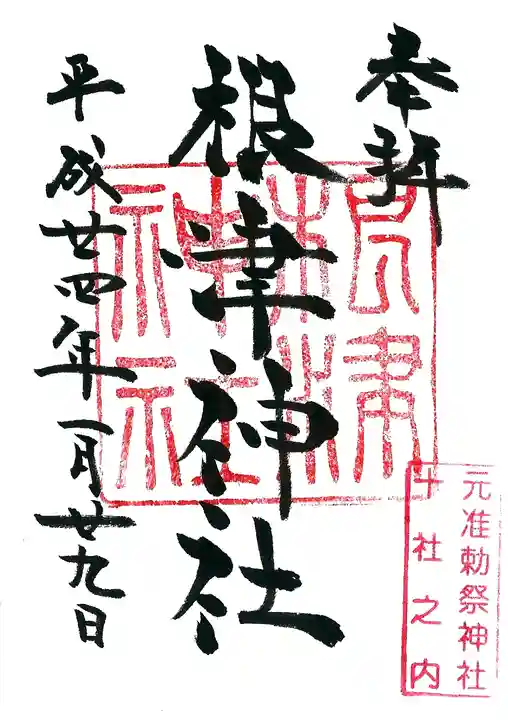
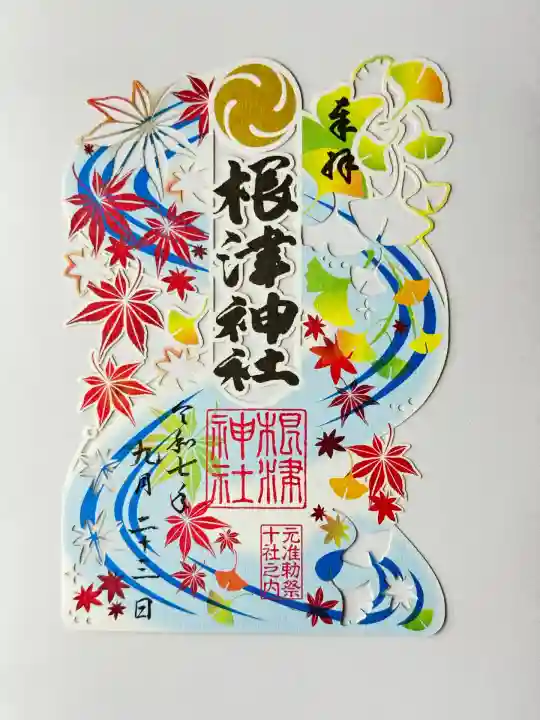
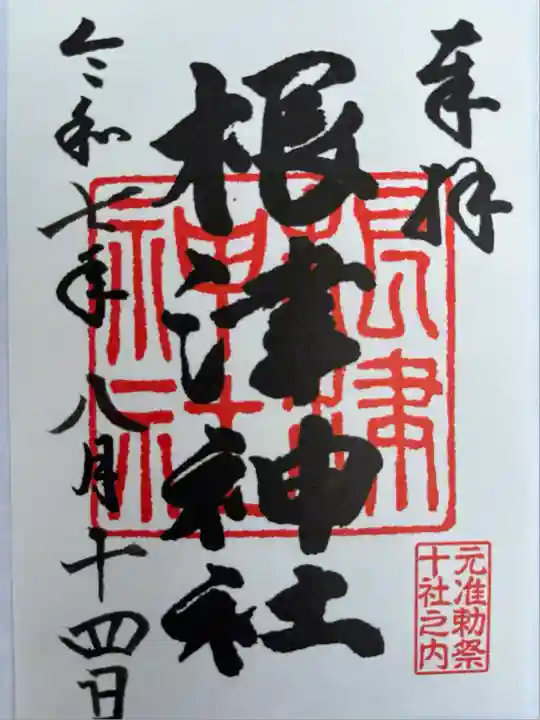
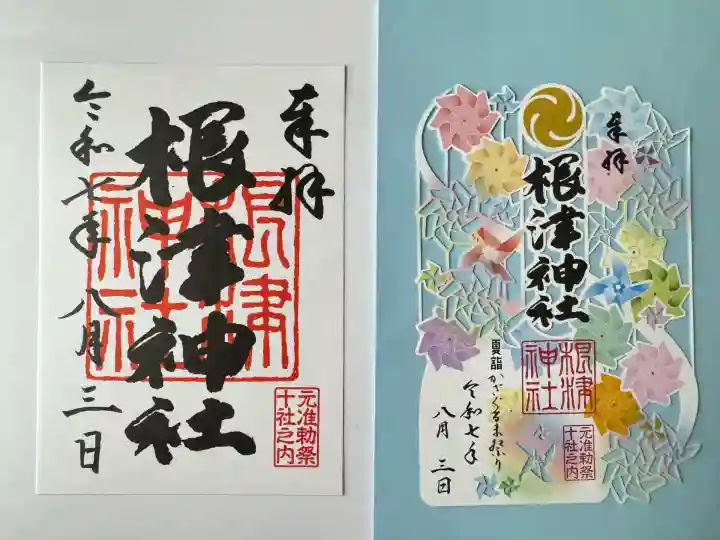
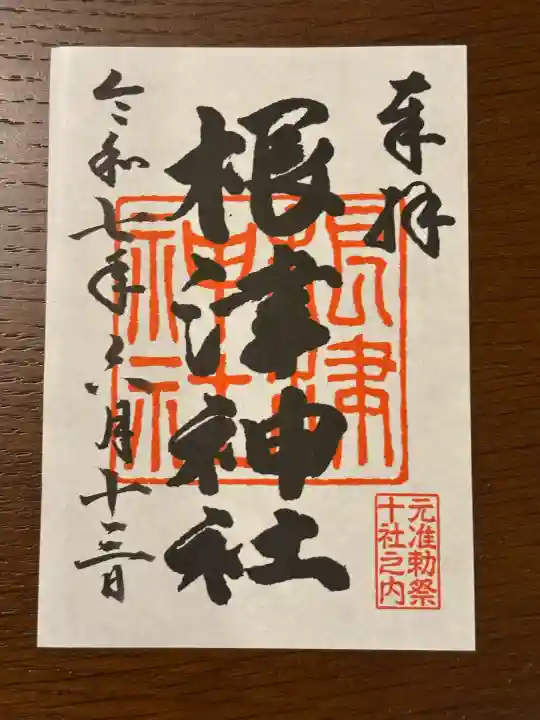
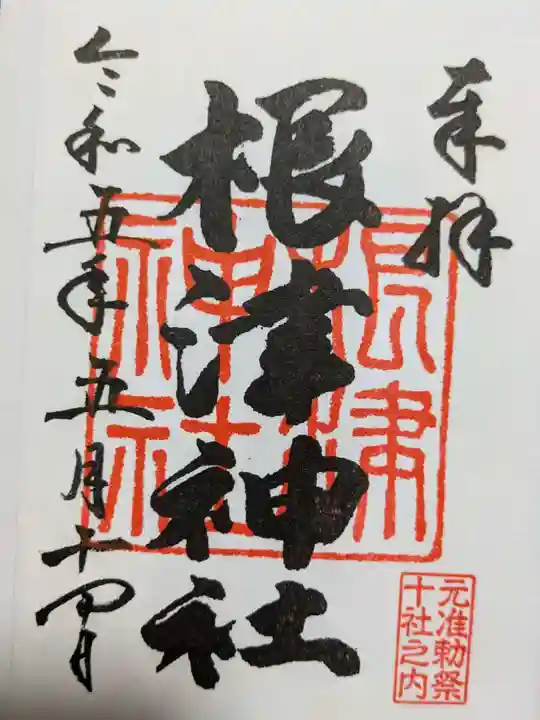
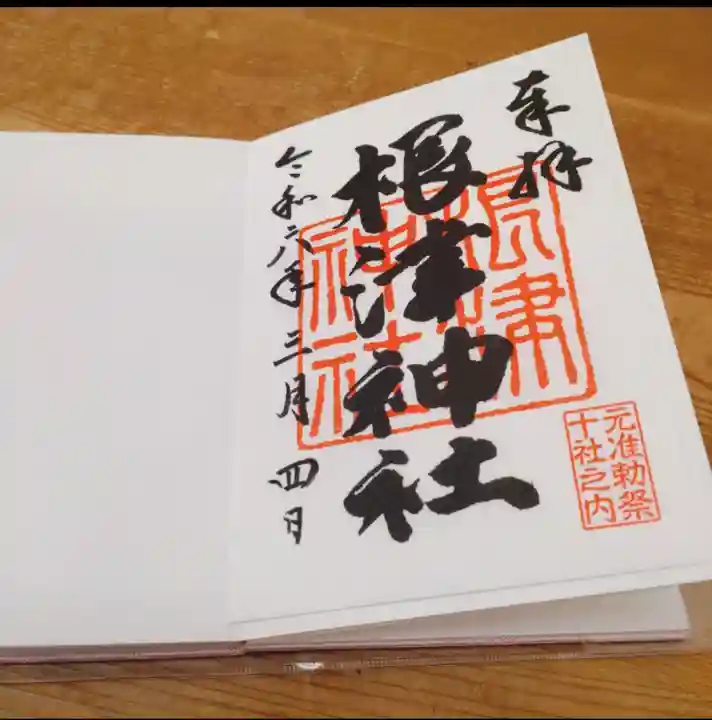
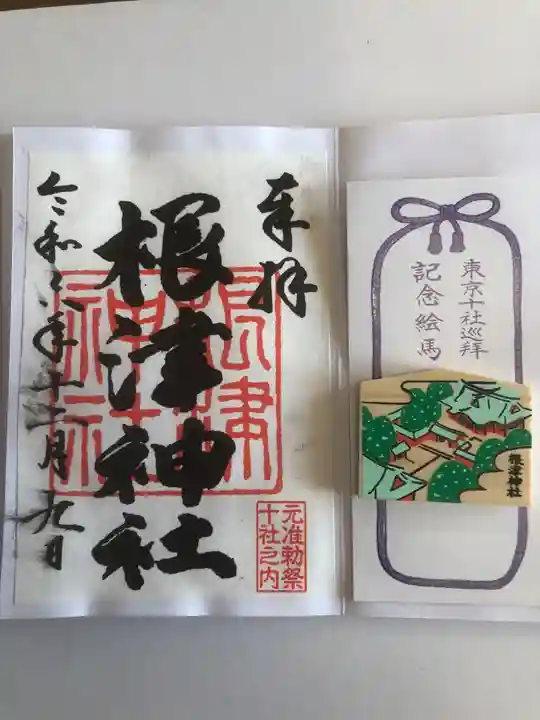
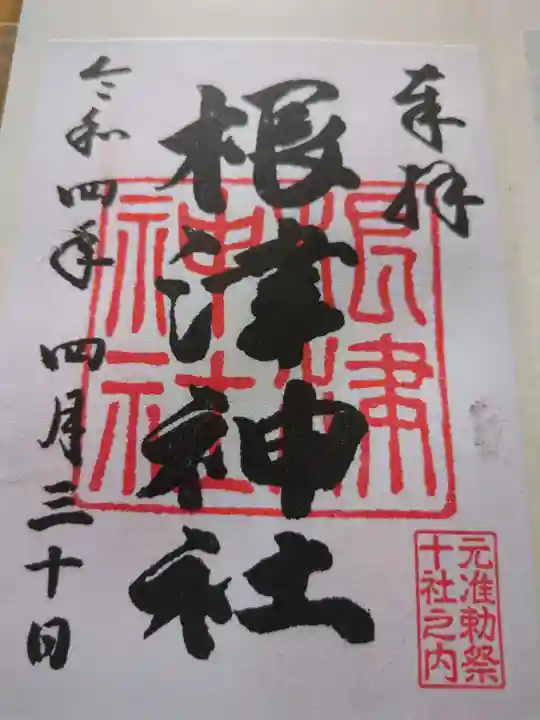
前回私が参拝したのは10年以上前でしょうか。今回は東京十社巡りでの巡拝です。御朱印(500円)は書置き(印刷)のみでした。有名な月次花御札(700円)は、当月以外の御札も入手可能です。私は12月(椿)と1月(松)の2枚を拝受。次回は別の月次を頂く予定です。
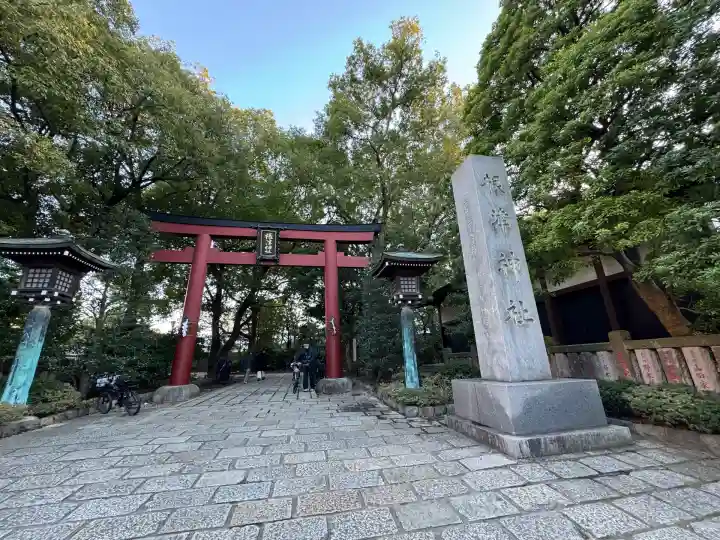
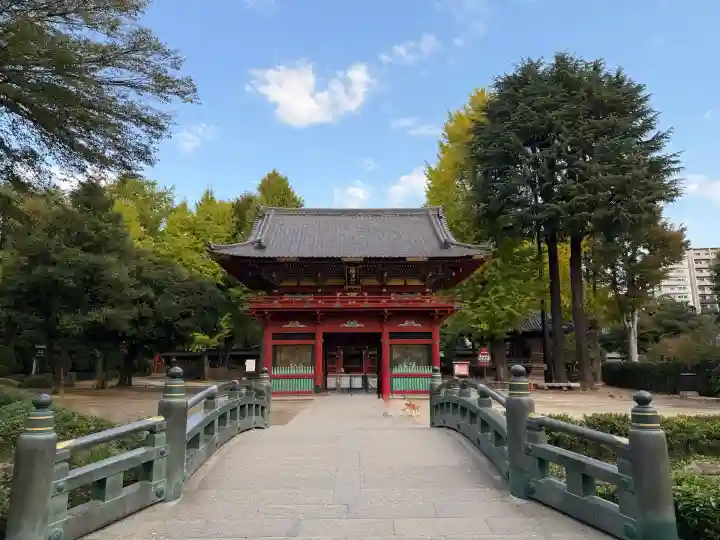
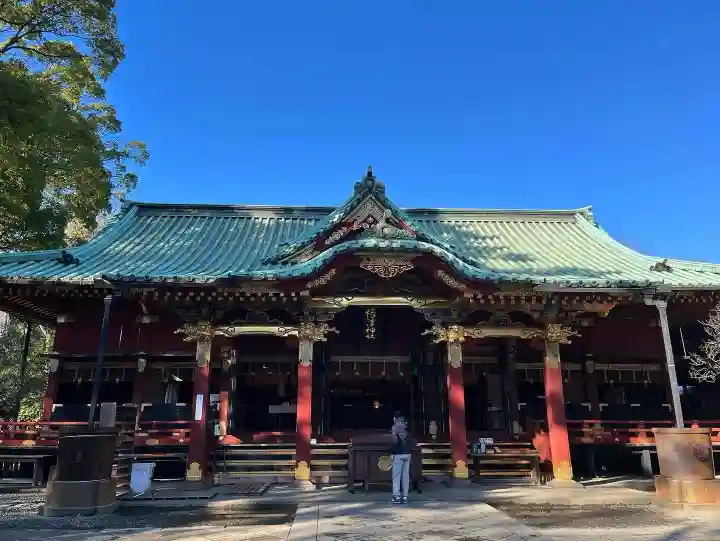
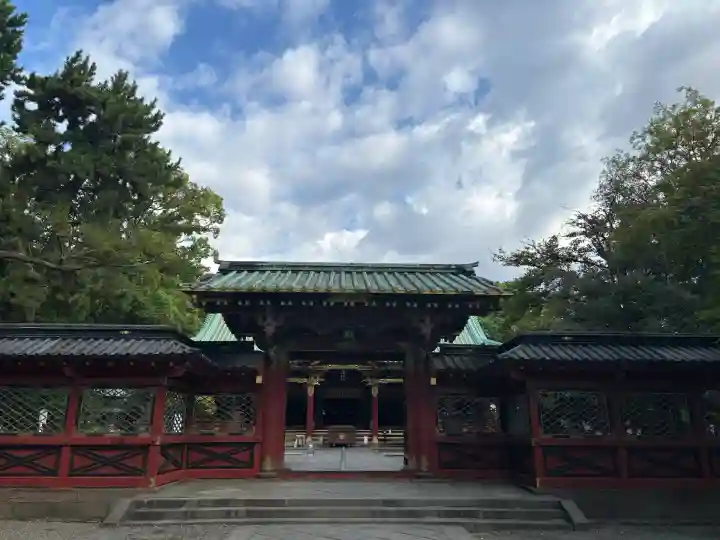
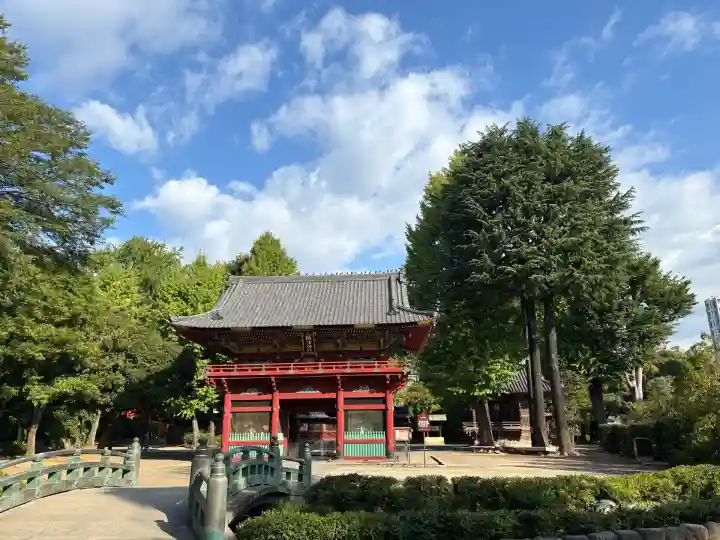
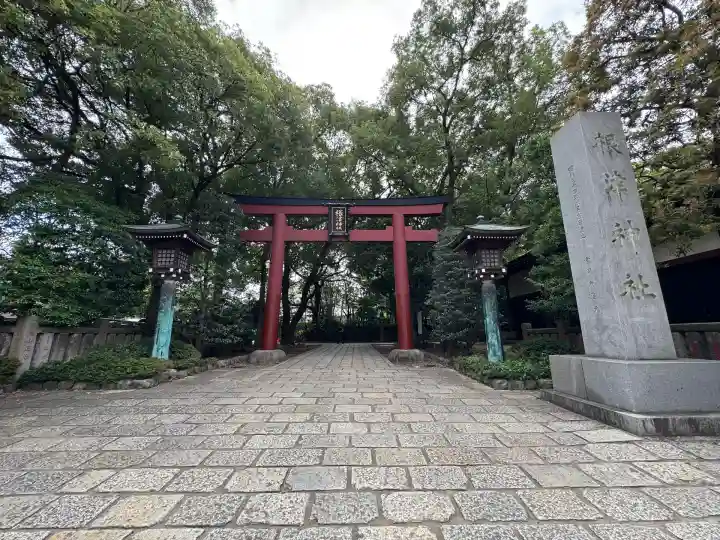
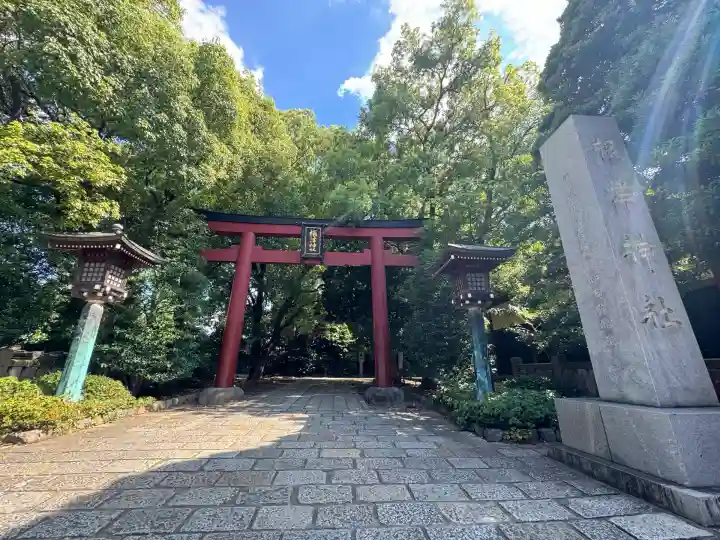
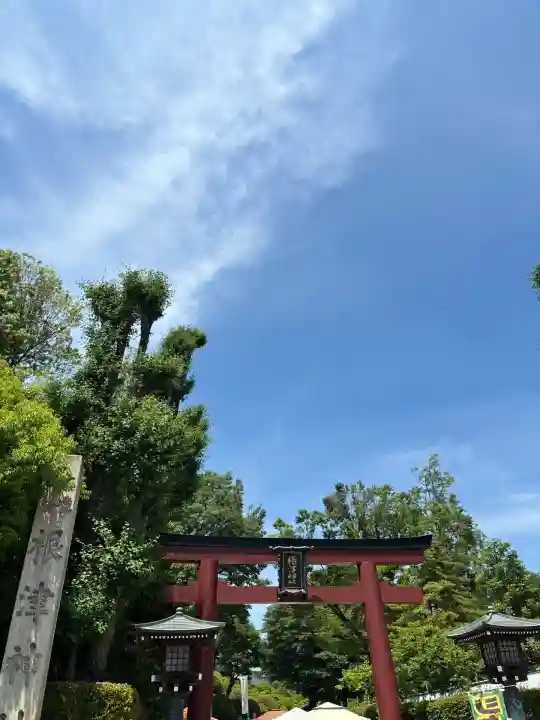
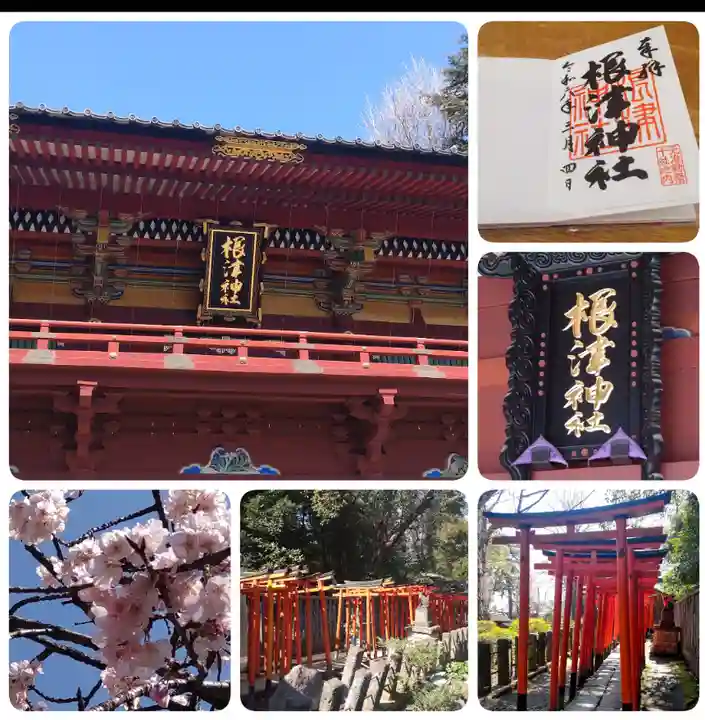
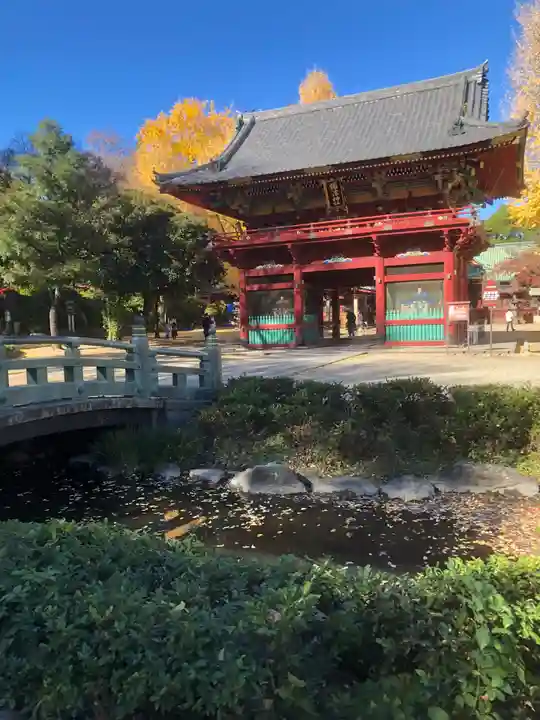
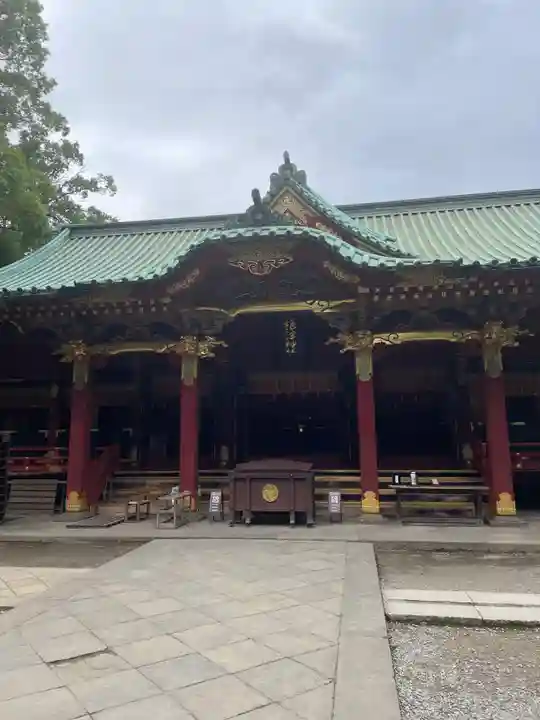
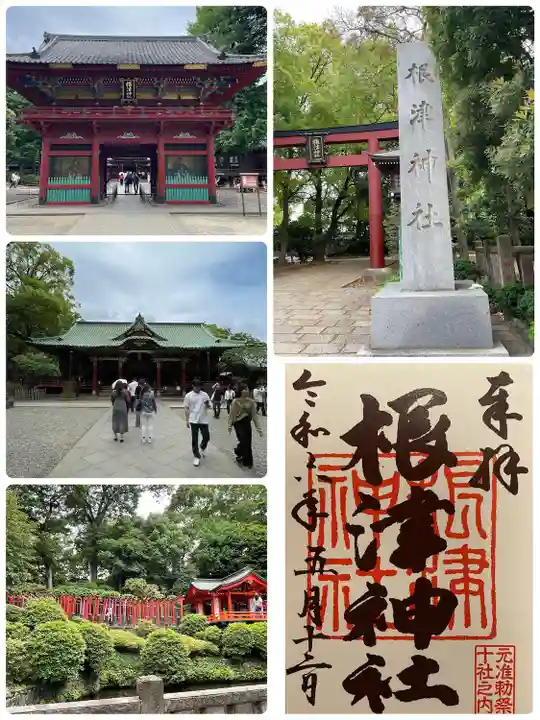
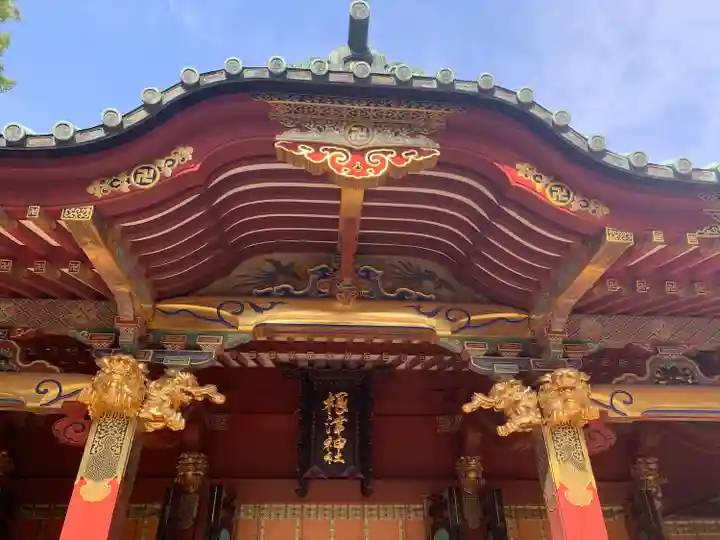
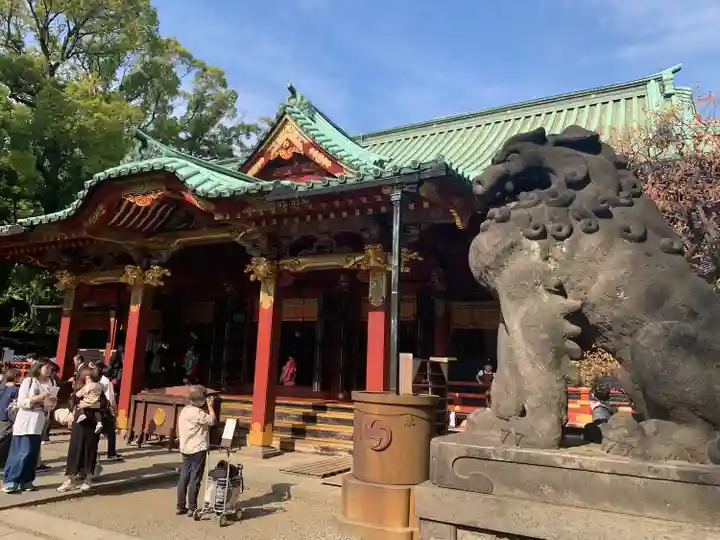
社殿7棟が国の重要文化財です。神仏分離以前の権現造であるせいか、楼門など仏教寺院の雰囲気を強く感じました。朱塗りの社殿が快晴の青空に鮮やかに映えていました。
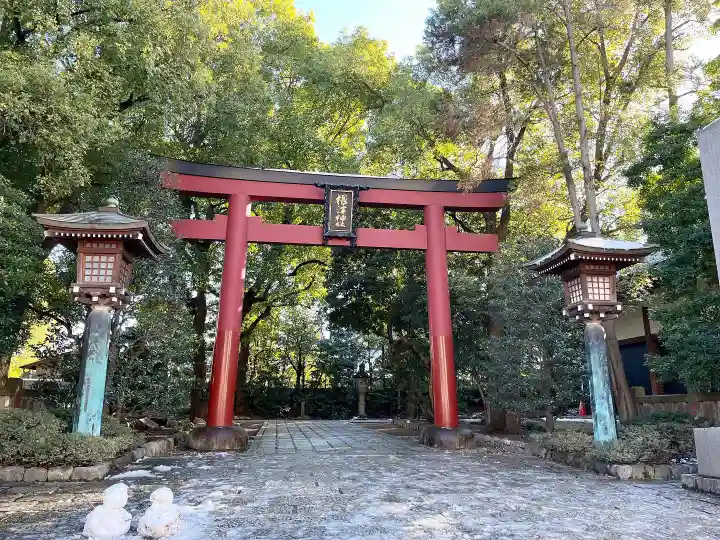
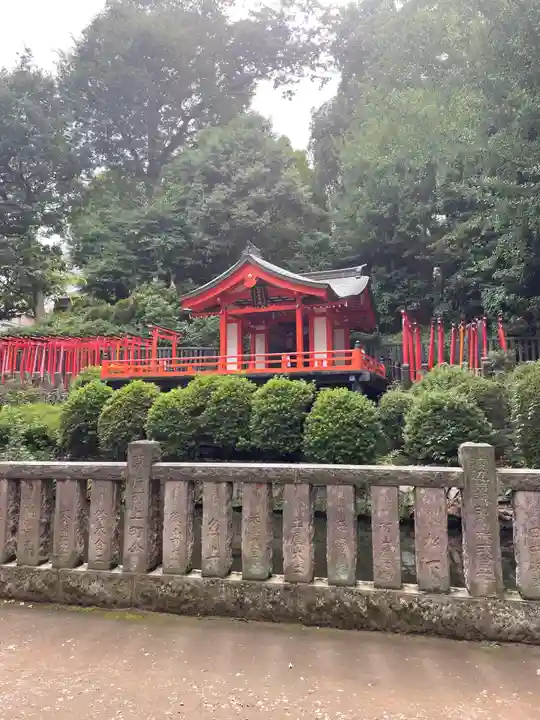
また以前から外国人観光客が多い所でしたが、この日もガイド付き団体さん2組が見学中でした。お目当ては乙女稲荷神社の千本鳥居です。外国の方は赤鳥居がお好きですよね。稲荷参道は混雑していました。
さて千代田線根津までの路上にはちらほらと飲食店があり、美味しそうな定食屋さんを発見したので、赤坂へ移動する前にそこで昼食にしました。
もっと読む

⛩️our video
Nezu Shrine 根津神社
https://youtu.be/NnSYkLXTNqk
Nezu Shrine in Tokyo's Bunkyo ward near Ueno Park is one of Japan's oldest shrines, and certainly one of its most attractive. Nezu Shrine is set in lush greenery, with ponds of carp, pathways that are tunnels of small shrine arches, and elegant, beautifully colored, wooden structures that reflect Japanese culture in all its age and beauty
Nezu Shrine is at the peak of its spring beauty when the Shrine's thousands of famous azalea bushes bloom pink and white on its spacious hillside garden in April. Nezu Shrine is also popular as a venue for traditional Japanese weddings.
Legend has it that what later became Nezu Shrine was first founded in Sendagi, just north of its current location in Nezu, by the fearsome Prince Osu, also known as "Yamato Takeru" who is said to have lived in the first century A.D.
Nezu Shrine was relocated to the Nezu area in the mid-17th century on the occasion of Shogun Tsunayoshi Tokugawa choosing his successor. Such is Nezu Shrine's status in history that it features not only in the doings of the Shoguns but of the Imperial family too. For example, when the Emperor moved his seat from Kyoto to Tokyo in the late nineteenth century, he sent envoys to Nezu Shrine to have the Shrine intercede with the gods on his behalf.
Nezu Shrine is styled after Toshogu Shrine in Nikko in what is known as Gongen, or ishinoma-zukuri, style. Nearly all of Nezu Shrine's structures are extant from when they were built or rebuilt in 1706. For this reason, they are designated Important Cultural Properties of Japan.
A particularly memorable feature of Nezu Shrine is its scores of small, vermilion torii Shinto shrine gates that cover the paths on the hillside above the main shrine, making for a tunnel effect.
The torii-lined pathways lead to and from a viewing platform that is part of the smaller Otome Inari Shrine, a shrine-within-a-shrine that overlooks the main shrine buildings, and over a sizable pond directly below.
If you take the path through the tunnel of torii that begins on your left after crossing the bridge, you will come across a pile of about half a dozen rocks placed somewhat randomly and fenced off. This is the Enazuka or "Placenta Mound" containing the afterbirth of Tokugawa Ienobu (1662 – 1712), the sixth Shogun of Japan.
A somewhat more salubrious rock is the Bungo no Ishi ("Stone of the Literary Greats") where such masters of Japanese literature as Natsume Soseki and Ogai Mori are said to have sat and received inspiration - located to your left and a little further on after entering the first gate after the bridge.
もっと読む利用開始をもって利用規約・プライバシーポリシーに
同意したものとみなします。
ホトカミで困ったこと、不具合のご報告はこちらから
お問い合わせ