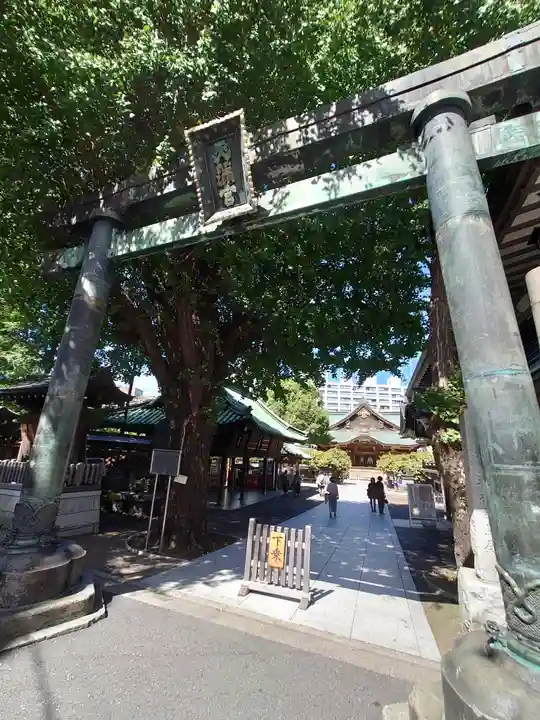
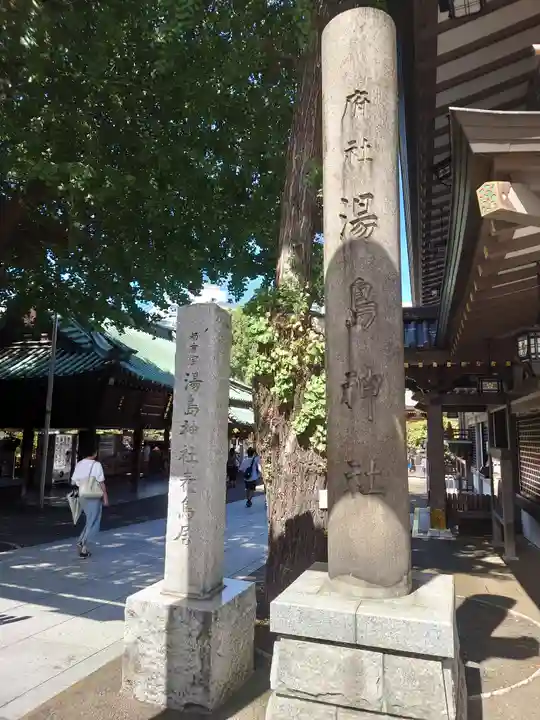
ゆしまてんまんぐう
御朱印・神社お寺の検索サイト
楽しみ方湯島天満宮のお参りの記録一覧
絞り込み


Yushima - https://youtu.be/6dG6RPKPGVE?si=UmuhuIVwi68hUd2a
This ancient shrine was founded in 458 CE for the worship of the god Ameno-tajikaraono-mikoto. Then in 1355, it became one of many "Tenjin" shrines throughout Japan - the most famous being Kitano Tenmangu in Kyoto.
Tenjin is the name of the deified spirit of the famous ninth century scholar Michizane Sugawara (845-903).
Sugawara, a high government official, was originally deified in a placatory response to the natural disasters that hit the then capital, Kyoto, immediately after his death in what had been his politically motivated exile.
However, his reputation for learning eventually outshone his supposed power to bring natural disasters, and he became worshiped as the god of learning.
Yushima Tenjin, like all Tenjin shrines, is therefore visited by students to pray for passing grades in exams and inscribe ema - small wooden plaques - with petitions for exam success and entry to the university of their choice.
Ema votive plaques written by students at Yushima
Tenjin Shrine
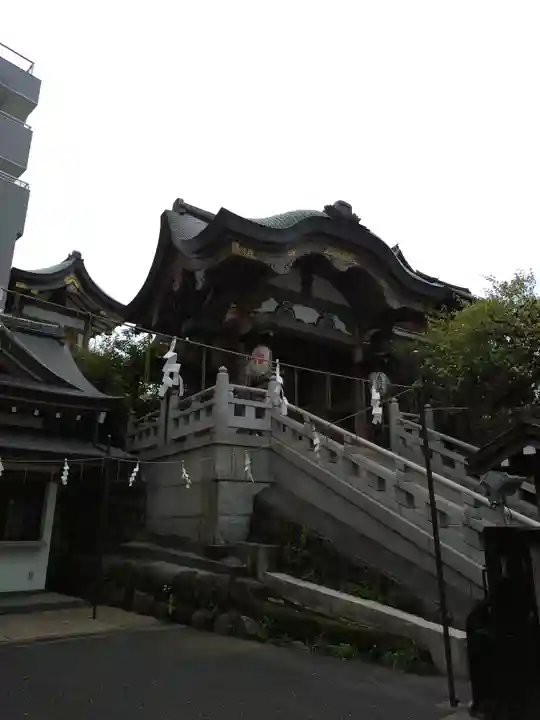
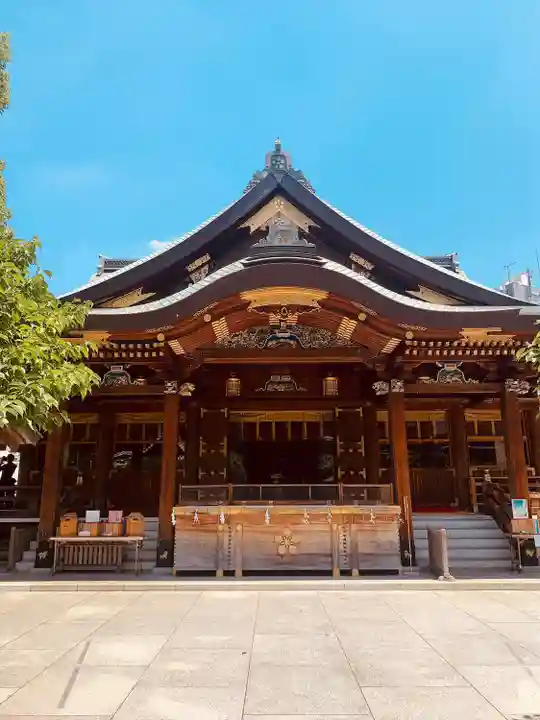
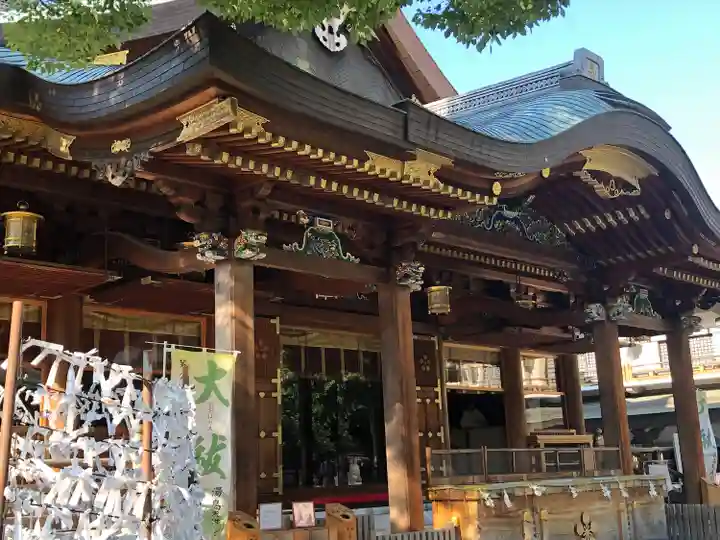
The shrine as it looks today dates back to 1478 when it was rebuilt by the warrior Ohta Dokan (1432-1486), who also constructed a castle on the site of the present Imperial Palace in Tokye. The shrine buildings were last reconstructed in in 1995, in line with the Shinto tradition
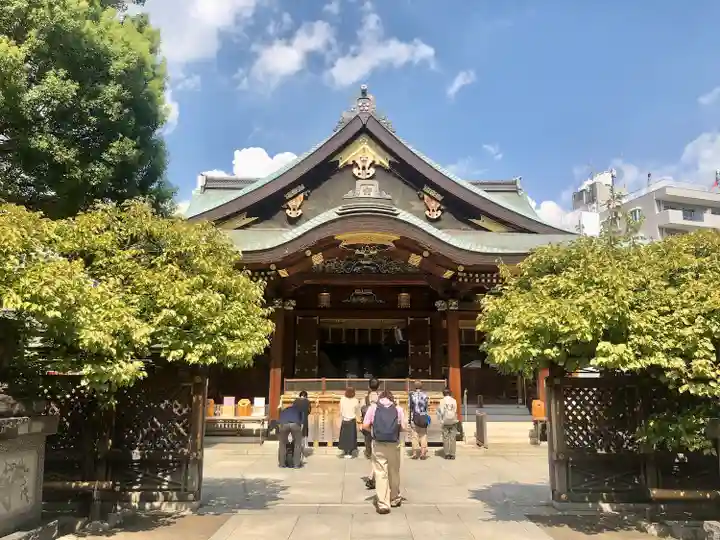
The shrine as it looks today dates back to 1478 when it was rebuilt by the warrior Ohta Dokan (1432-1486), who also constructed a castle on the site of the present Imperial Palace in Tokyo. The shrine buildings were last reconstructed in in 1995, in line with the Shinto tradition of periodically rebuilding shrines.
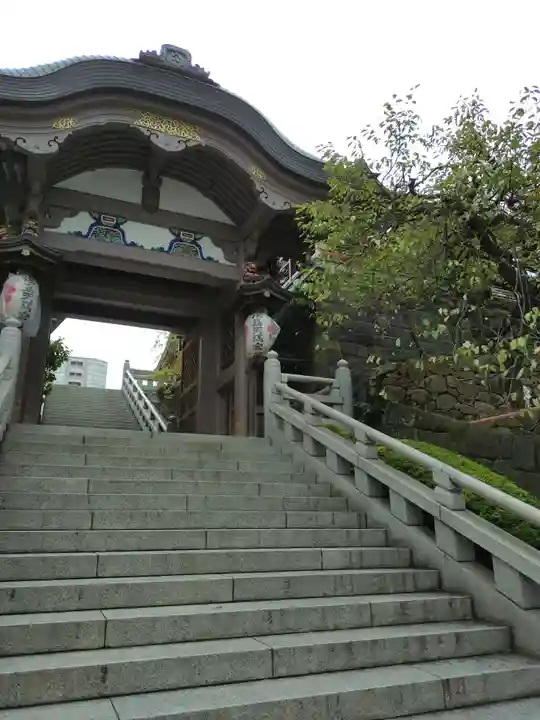
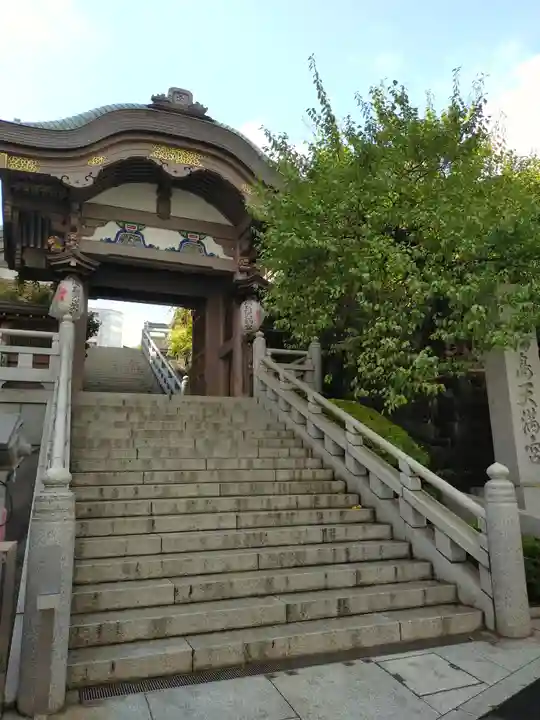
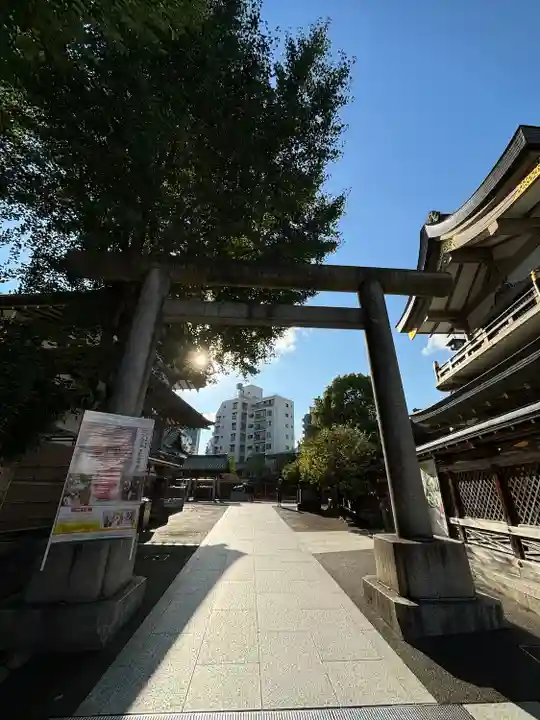
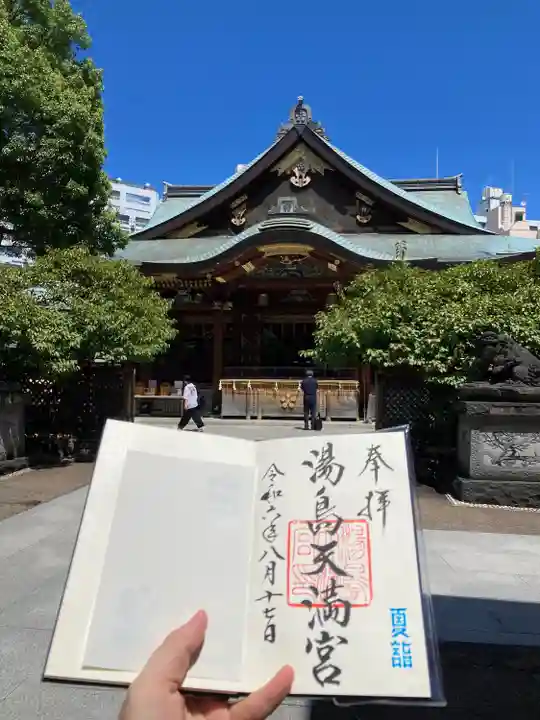
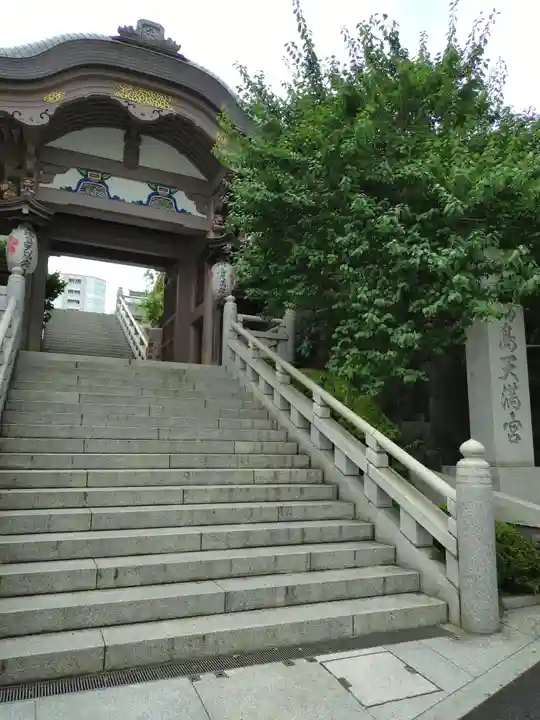
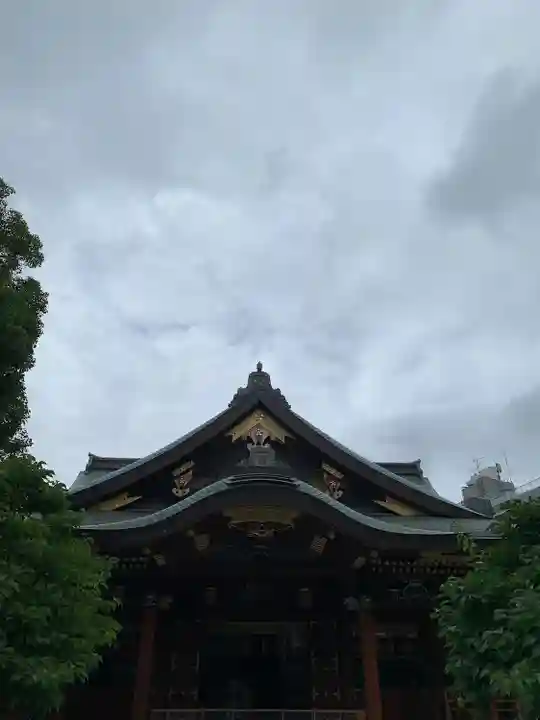
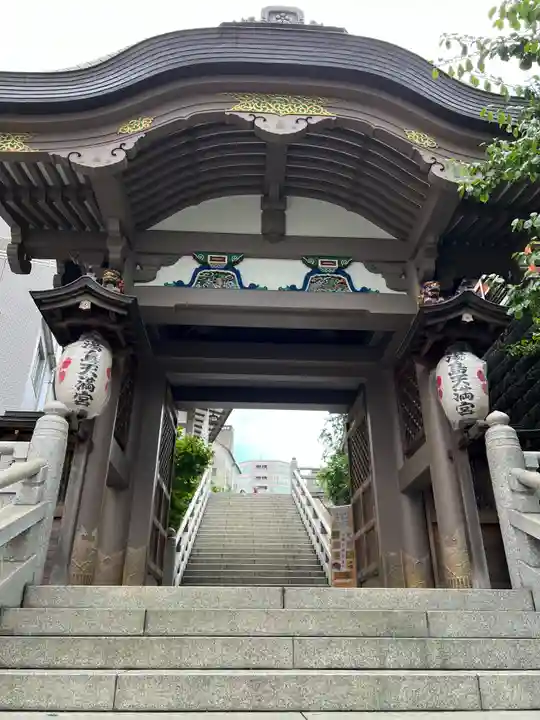
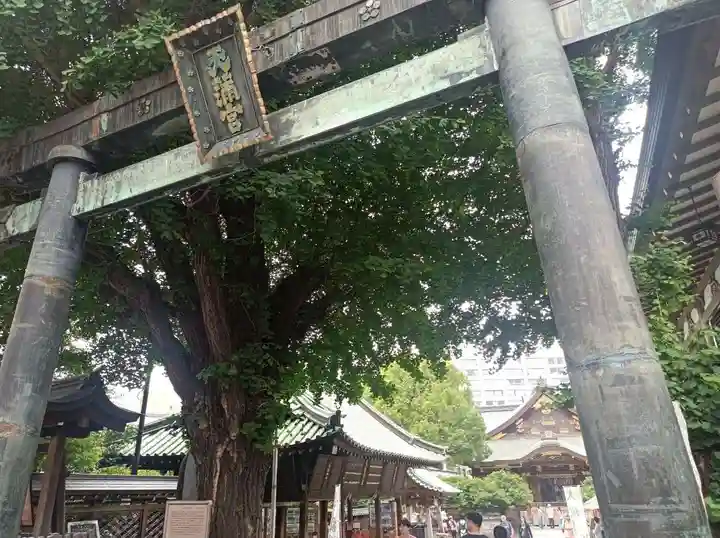
Yushima Tenjin is built in the shaden style of architecture entirely from Japanese cedar. A notable feature of the shrine is the the brightly painted carvings of scenes from Japanese legend that adorn the buildings.
Yushima Tenshin is a scholar's shrine and is distinguished by the huge bundles of small wooden votive tablets, or ema, that hang on special racks in front of the shrine bearing petitions to Michizane Sugawara's spirit for success in examinations. Notable is the picture on the ema of Michizane riding a cow.
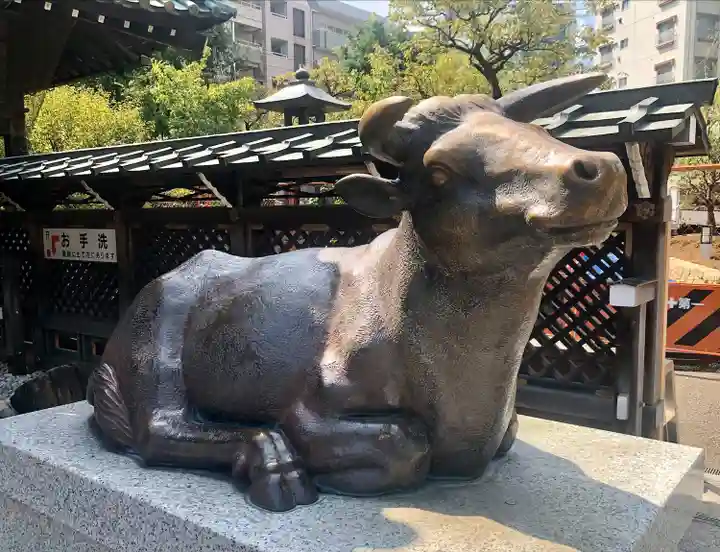
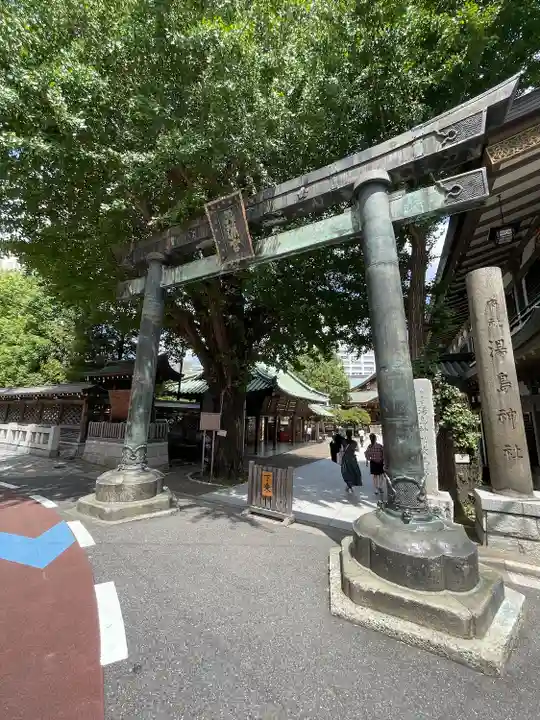
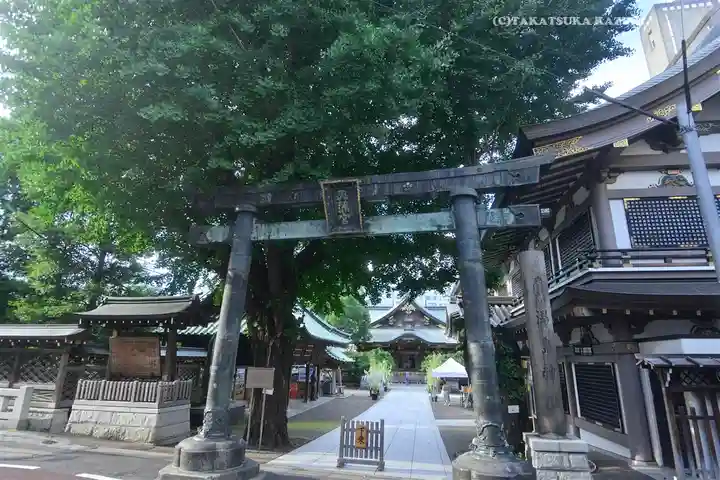
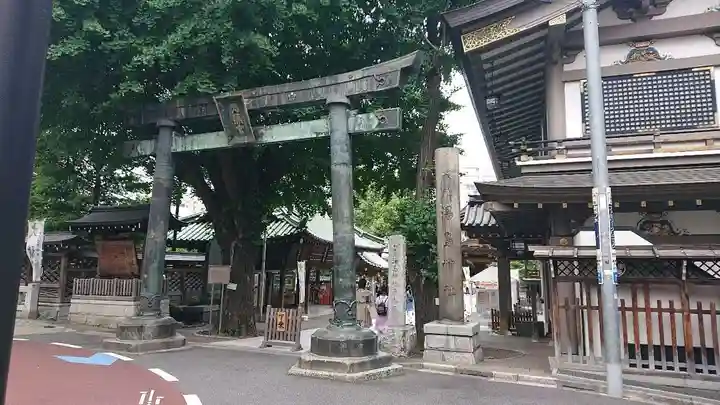
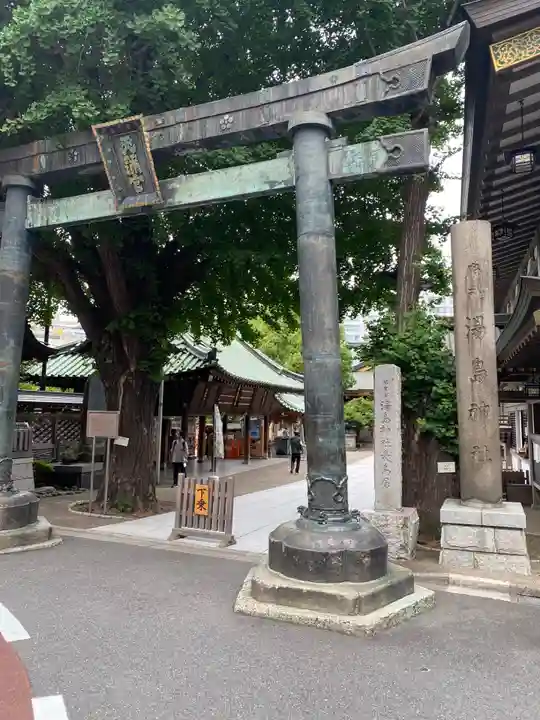
A little way past and to the right of the shrine entrance arch, or torii, is a covered area for washing the hands and rinsing the mouth, or temizuya. Beside it is a large bronze statue of a cow: a typical feature of a Tenjin shrine, as the cow is believed to be the servant of the god Tenjin. Known as a nade-ushi ("stroking cow"), it is also believed that touching the cow will cure physical ills.
The plum blossoms (ume) of Yushima Tenjin are a spectacle in spring. It has a blossom festival of its own in February, when the 300 trees of 20 different varieties are in full bloom. This may have something to do with the fact that Sugawara's first haiku, composed when he was only 5 years old goes:
"How beautiful the red plum blossom, I wish to color my cheek with it."


去年も初天神の鷽替神事に来ました。
鷽鳥も大きいのと小さいのをもらいました。
復刻版というのもあるそうでしたが、よく分からなかったのでいつも版をもらい、今年もやってきました。
去年より、人が多くない?
すごい人手だよ、これ。
約30分待って、ようやく手に入れました。
大きい+小さいの2体。
今回は復刻版にしました。
どこがどう違うのか、全く分からないのですが。
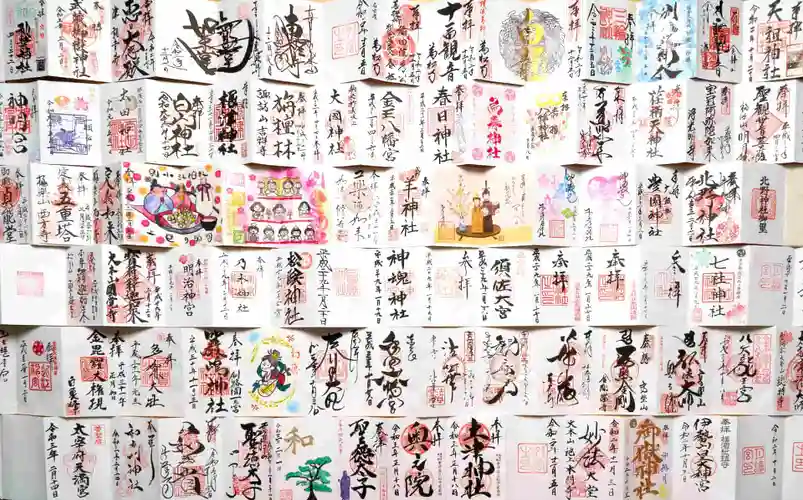
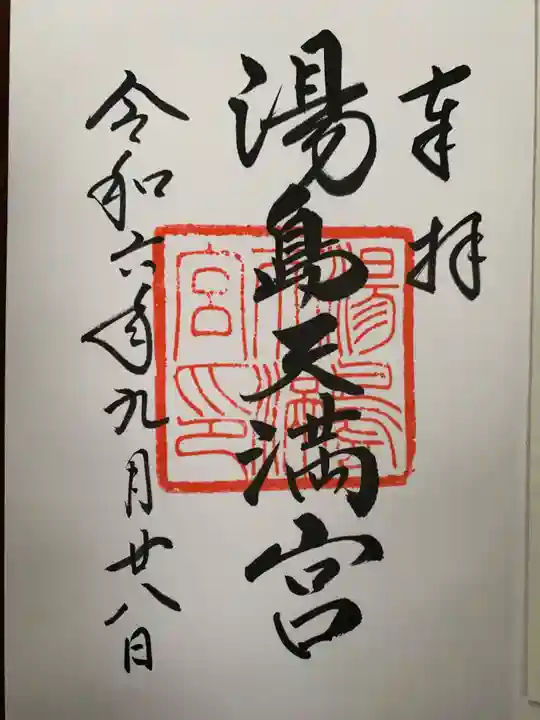
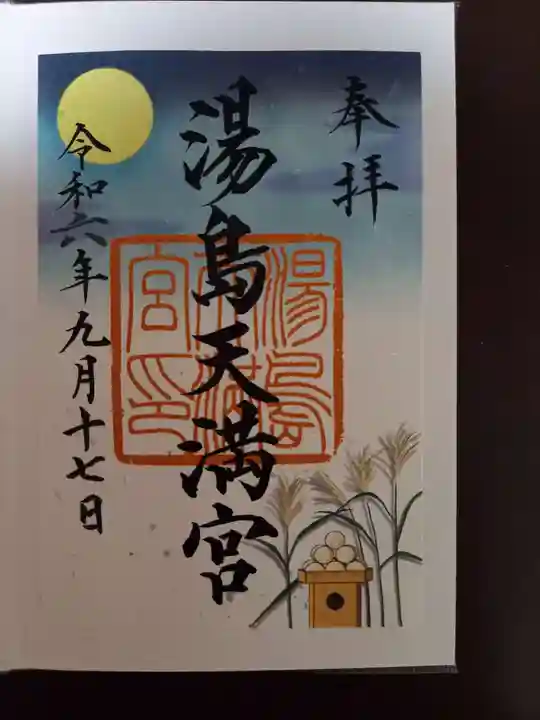
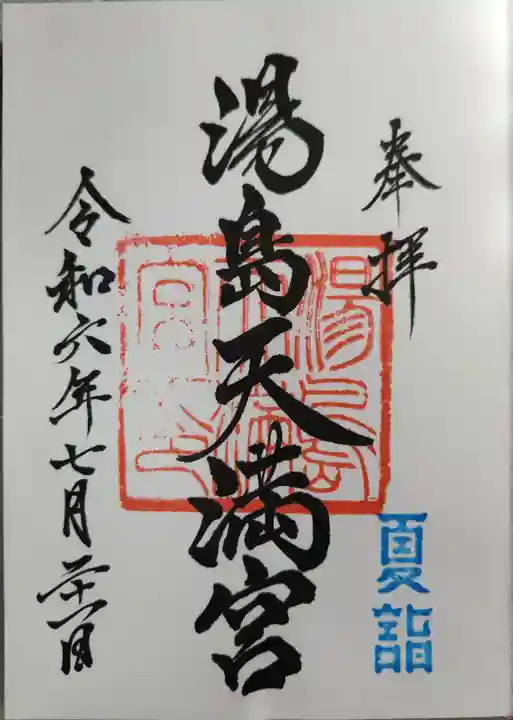
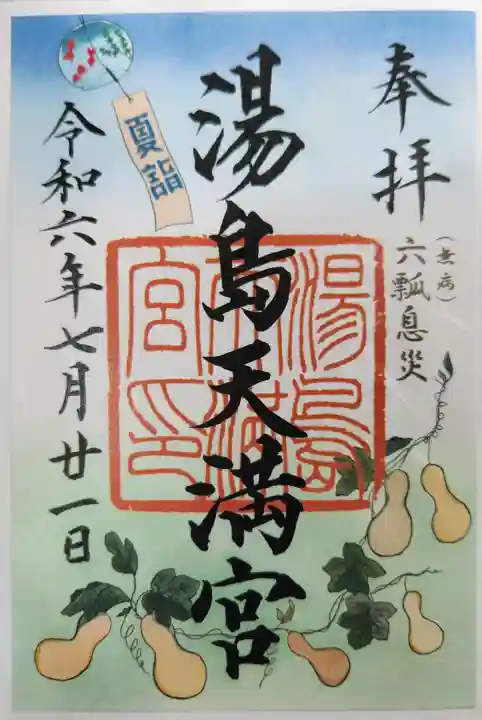
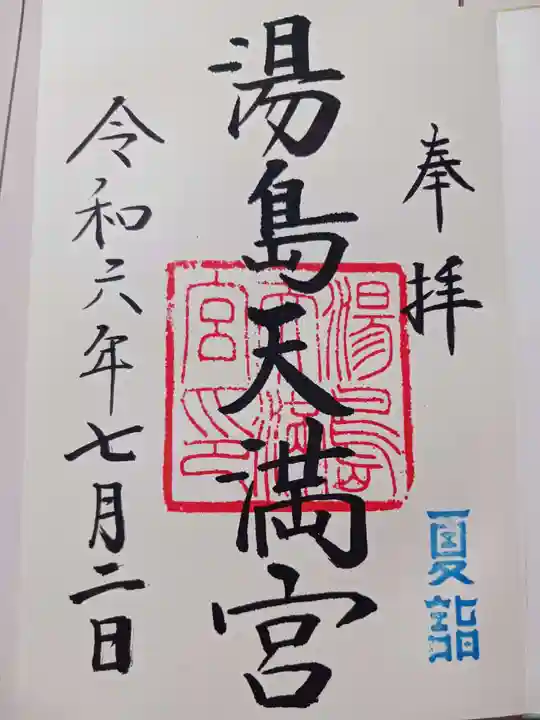
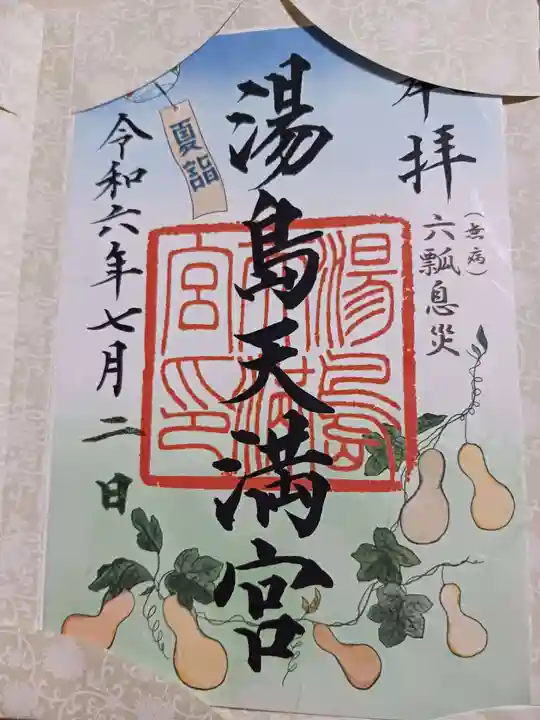
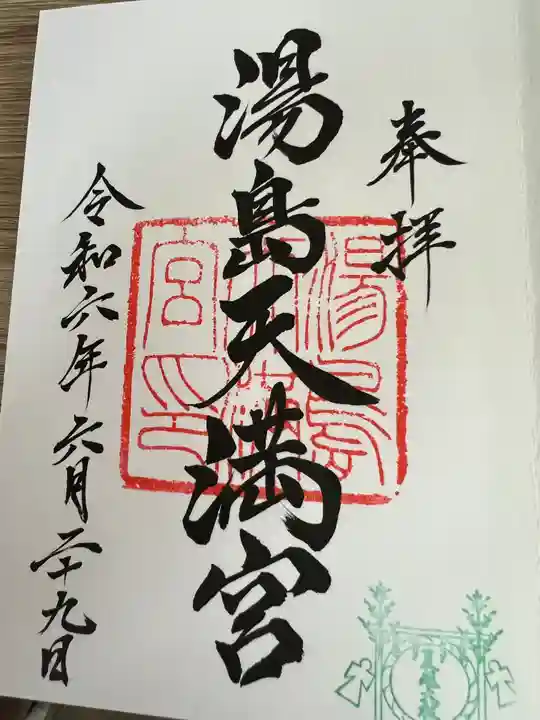
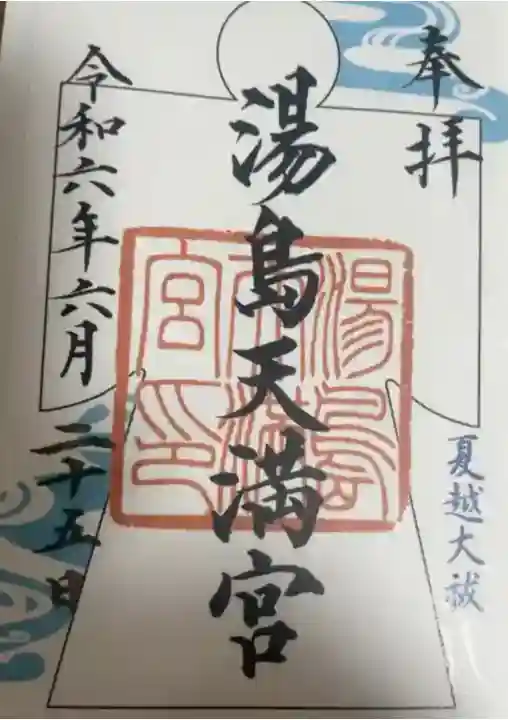
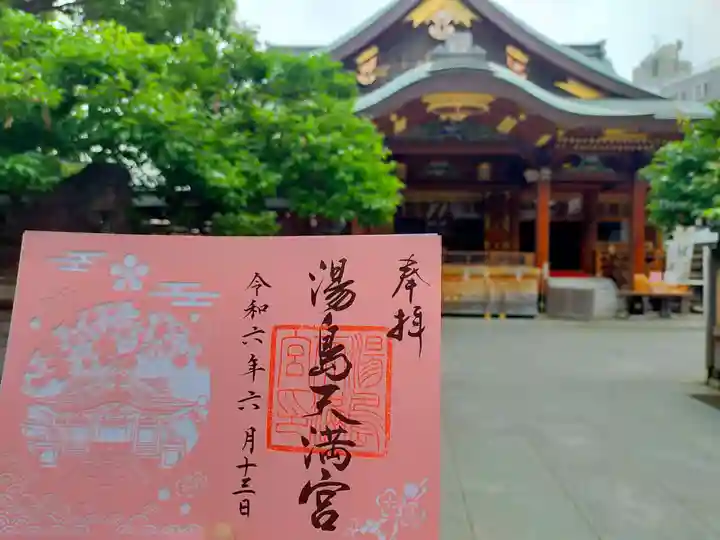
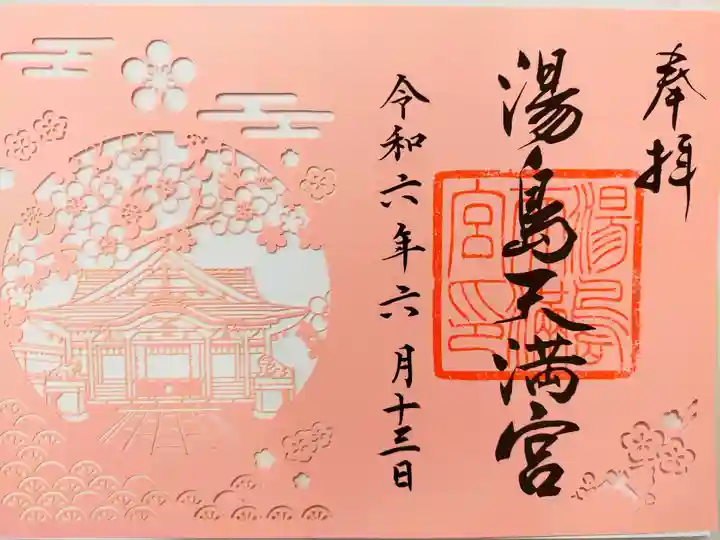
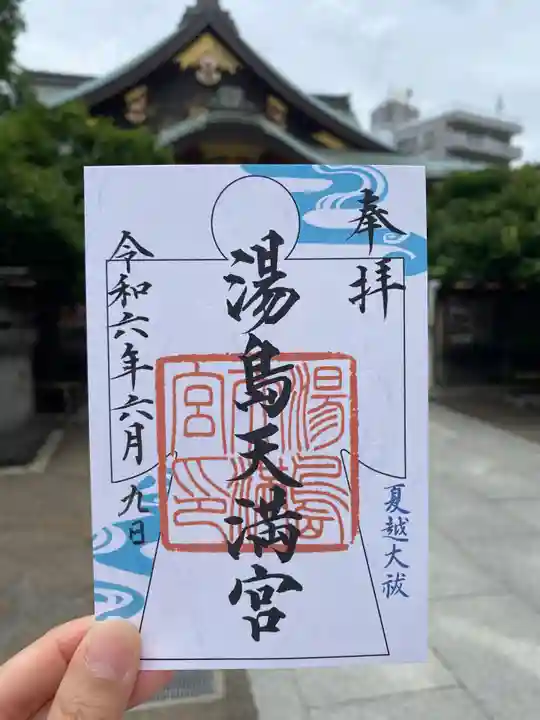
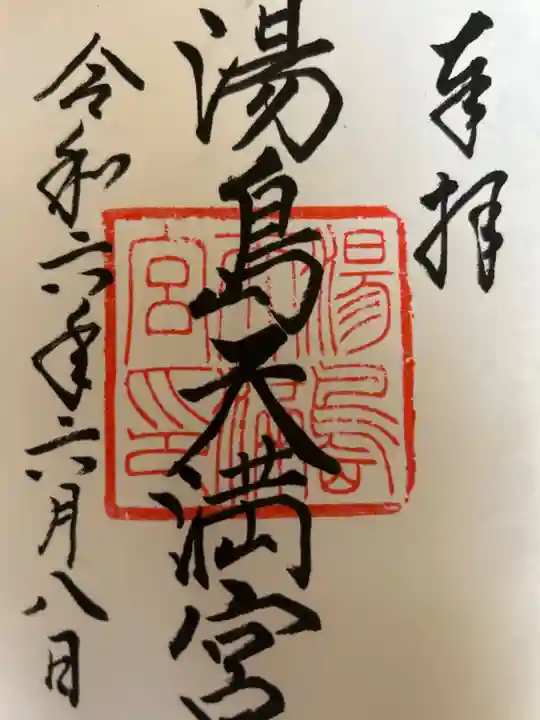
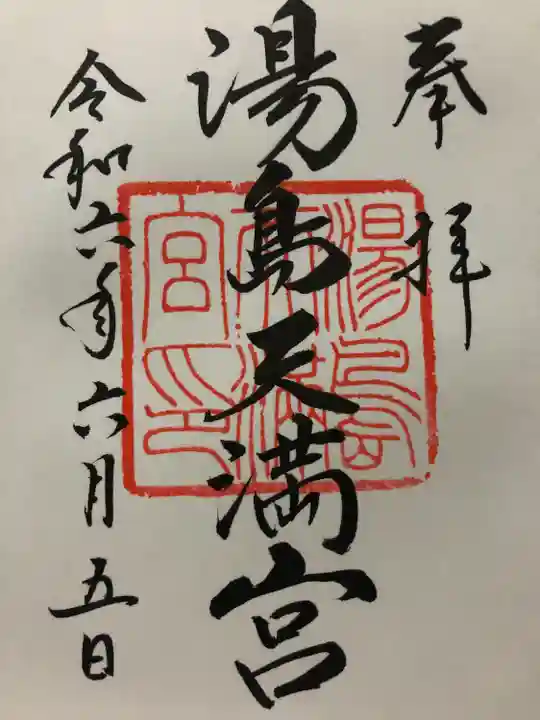
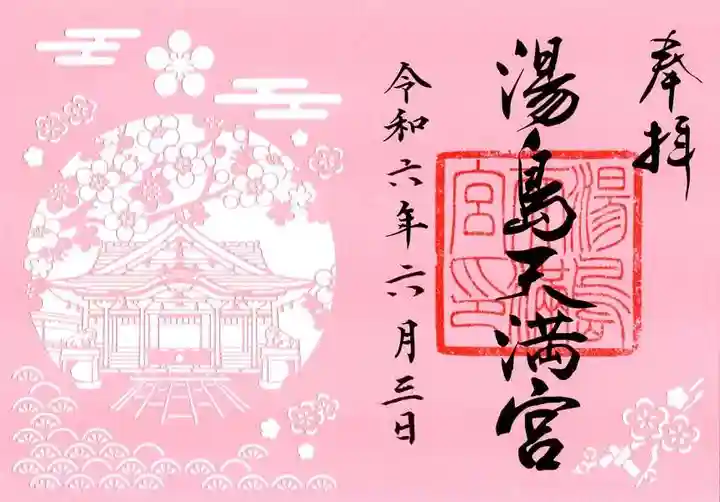
御朱印もと思ったら、今回は御朱印専用窓口があった。
御守はいつもと同じ場所で、すごい長さだったので断念。
去年と同じく、3種類、切り絵(2面)+お正月バージョン+初天神限定。
境内で、甘酒を売っていたので購入。
ぼーっとしながら、しばし、ちびちび飲んでいた(猫舌なので)。
売店で見た、梅干しを購入。
自宅におみやげにした(最も、私は1個しか食べられなかった)。
東京都のおすすめ🎌
最新の限定御朱印情報が届く!
御朱印メルマガを受け取ろう
利用開始をもって利用規約・プライバシーポリシーに
同意したものとみなします。

ホトカミで困ったこと、不具合のご報告はこちらから
お問い合わせ