おおひじんじゃ
御朱印・神社お寺の検索サイト
楽しみ方意富比神社のお参りの記録一覧(6ページ目)

⛩️our video
https://youtu.be/wZ7tPces-XQ?si=TJGPYt2GEOAnhtjE
When Prince Yamato-takeru-no-mikoto went to pacify the eastern provinces in the fortieth year of the reign of Emperor Keikō (A.D. 110), he prayed here to Amaterasu-sume-ōmikami for success in his campaign, and for the people suffering from a drought, and there was a manifestation of divine favor. That was the beginning of this shrine.
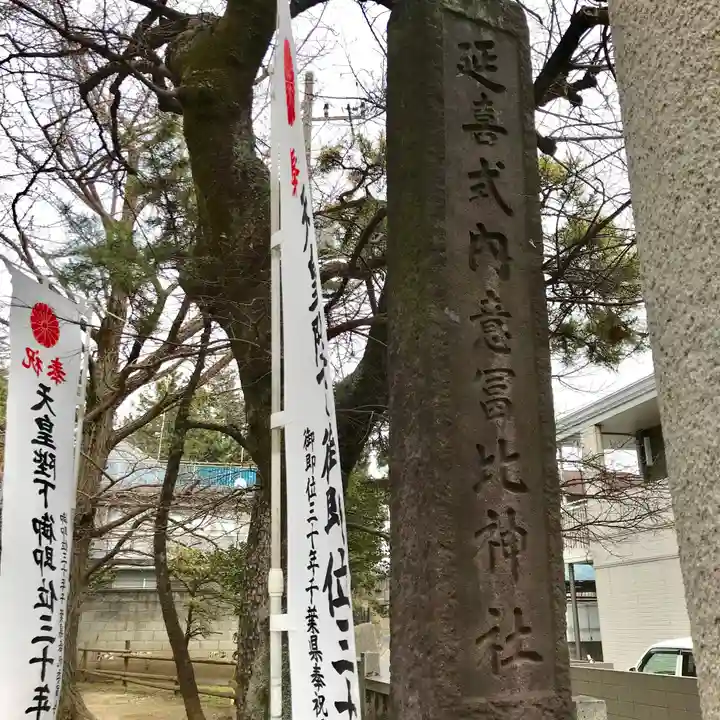
The compilation of the Engishiki (Procedures of the Engi Era) was completed during the Heian period in 927, and this shrine is a shikinaisha shrine (a shrine listed in the Engishiki).
During the reign of Emperor Goreizei in the Tengi era (1053-1058), Minamoto no Yoriyoshi and his son Yoshiie repaired the shrine. During the reign of Emperor Konoe in the Ninpei era (1151-1154) the six villages of Funabashi were decreed as donations to the shrine, Minamoto no Yoshitomo rebuilt the shrine as a dedication, and the shrine was called in the document describing this Funabashi Ise Daijingū.
During the Kamakura period Nichiren (1222-1282) dedicated to the shrine a prayer for fasting so that the teachings of his school would prosper, along with a mandala and sword.
Around the beginning of the Edo Bakufu, Tokugawa Ieyasu (1546-1616) donated lands to the shrine and built a main sanctuary and subordinate shrine and other buildings in dedication. The shrine received a donation of land producing fifty koku of rice, which it held until the end of the Edo period.
In the Meiji period, each time Emperor Meiji (1852-1912) made an imperial visit to Narashino and Sanrizuka he sent an imperial envoy with an offering to the shrine.
The former appearance of the shrine can be known from the late Edo period Edo meisho zue (Famous Places of Edo Illustrated), but the shrine itself was burned down during the wars of the Meiji Restoration.
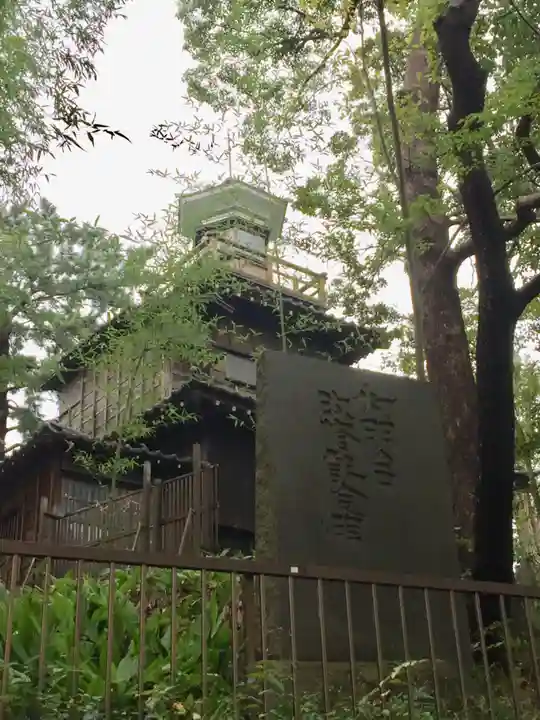
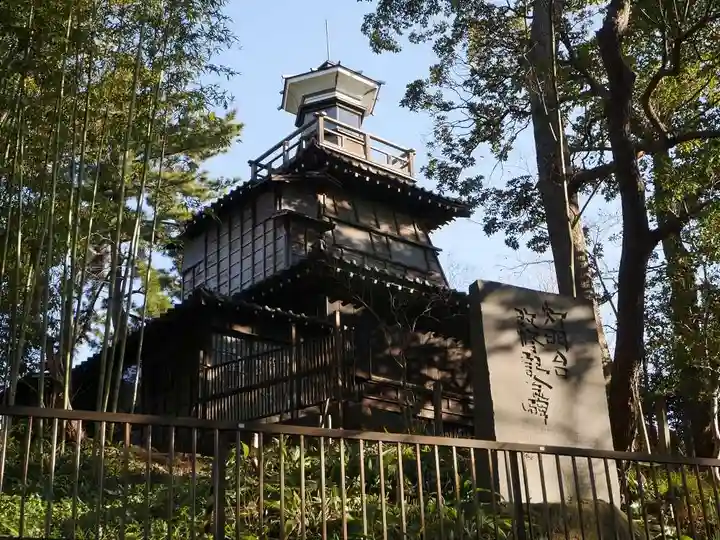
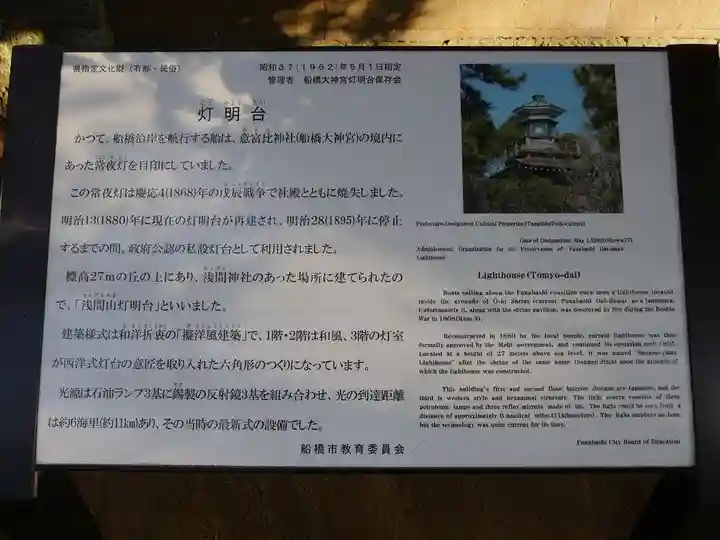
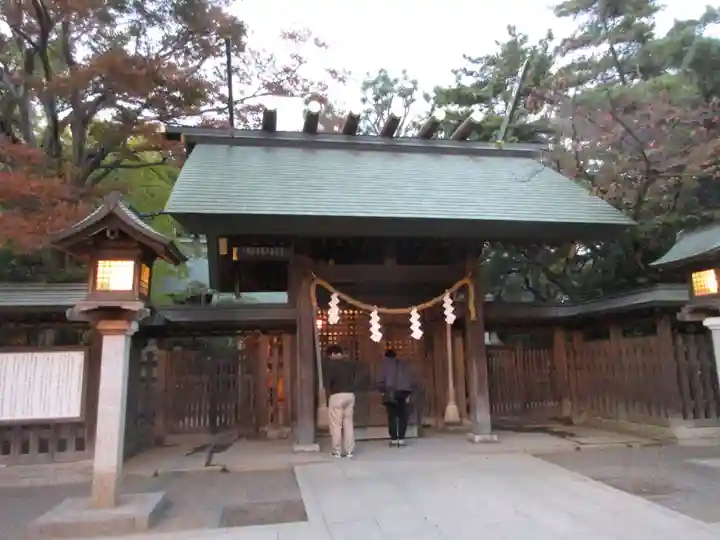
The main sanctuary was later rebuilt in 1873, and the hall of worship, subordinate shrine, gate, fence, and approach were rebuilt in 1923, 1963, 1975, and 1985, along with repairs to the Tōmyōdai (lamp tower) that is a Prefecture Designated Cultural Property.
The Etymology of Oohi
Oohi Jinja, also known as Funabashi Daijingū, is the oldest Shinto shrine in the Funabashi area. In its first appearance in historical records in the Nihon sandai jitsuroku(*1) in an article for 863, the words “Shimōsa-no-kuni Oohi-no-kami” appear. This is the oldest record pertaining to the area of Funabashi City. In the mid-Heian period major Shinto temples were listed in the Jinmyōchō(*2) (Register of Deities) of the Engishiki. Oohi Jinja was mentioned among the eleven shrines of Shimōsa Province, and was one of the few shikinaisha shrines in eastern Japan.
Regarding the etymology of Oohi and the nature of the kami, there is the theory that in ancient times the kami was a kami of food called Ōi. After World War II the theory that the kami was the tutelary kami of the ancient and powerful Oho clan was also put forth. The ancient reading of Oohi was Ohohi, and since the ancient Japanese writing system permitted the character for “sun” (日, hi) to be rendered phonetically as another character also read hi (比), “fire” (火, hi) as hi (肥), etc., and since historically Oohi Jinja has a deep connection with sun worship, it has been therefore suggested that the original meaning of Oohi was “great sun” or “great sun kami” (Mitsuhashi Takeshi, Oohishin kō, Thoughts on the Kami of Oohi). In other words, from medieval times until the end of the Edo period the kami popularly called Funabashi Shinmei and also the main kami of Oohi Jinja, Amaterasu-sume-ōmikami, were anciently both the major sun kami of this area. This is the leading theory at present.
Relationship with Ise Jingū Shrine
As mentioned above, since medieval times this shrine often seems to have been called Funabashi Shinmei. Shinmei means a shrine that is a separate enshrinement of Ise Jingū shrine.
Accordingly, it is thought that the kami of Oohi, who was the most powerful sun kami of the region in ancient times, was assimilated into Ise Jingū in the medieval period. The general outline can be hypothesized as follows. Near the end of the Heian period in 1138 the area centered around Natsumi became Mikuriya, the estate of Ise Jingū. In actuality the area gave tribute to Ise Jingū in the form of white cloth. From that relationship, Ise Jingū was separately enshrined in this area and a Shinmei-sha shrine was created. Needless to say, the highest sun kami Amaterasu-sume-ōmikami was enshrined here. Eventually the powerful local sun kami was merged with Shinmei-sha shrine as being the same kami, to become Funabashi Shinmei, or Funabashi Daijingū.


初めて参拝に上がりました。
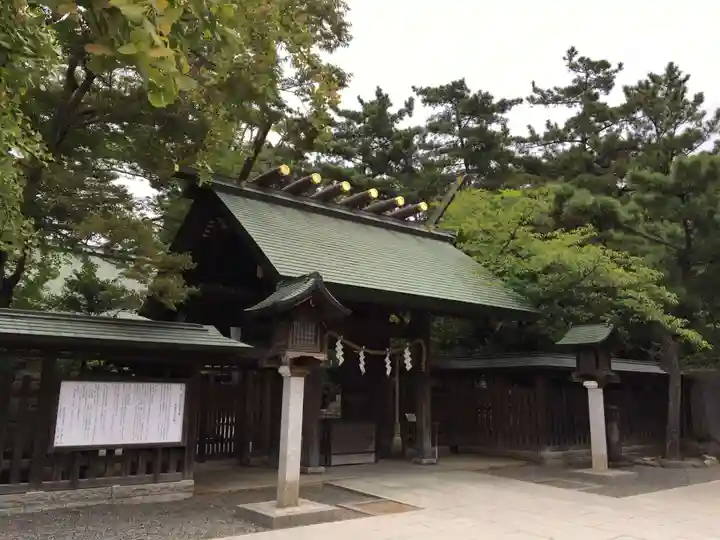
今日は京成線の駅近くにある神社を廻ったのですが、大神宮下駅から近くてすぐに到着しました。
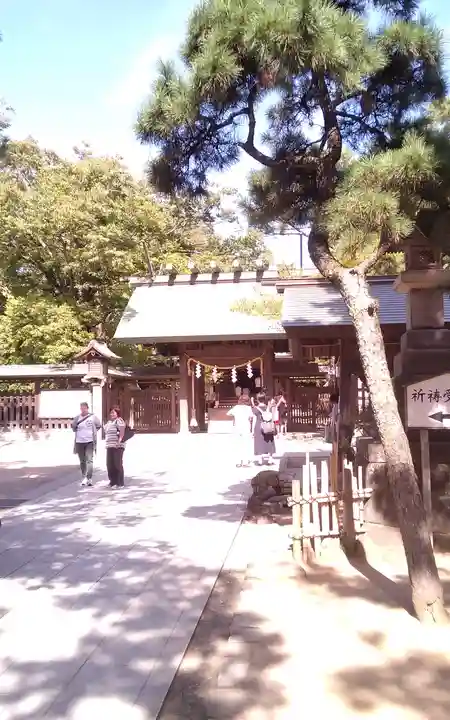
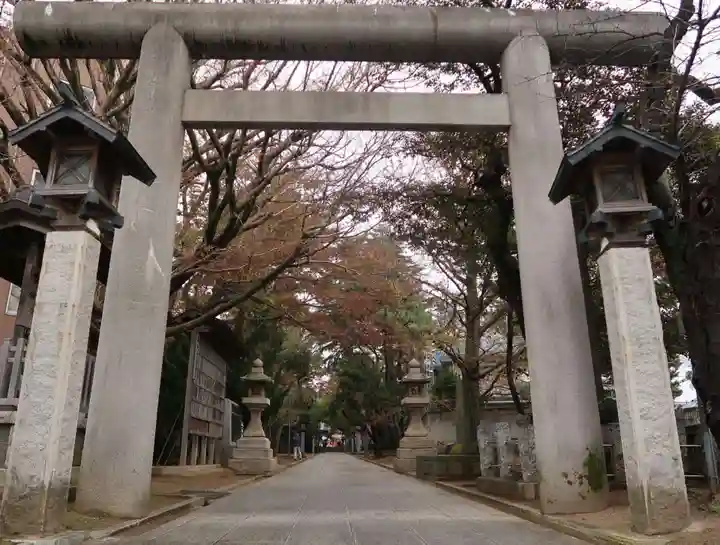
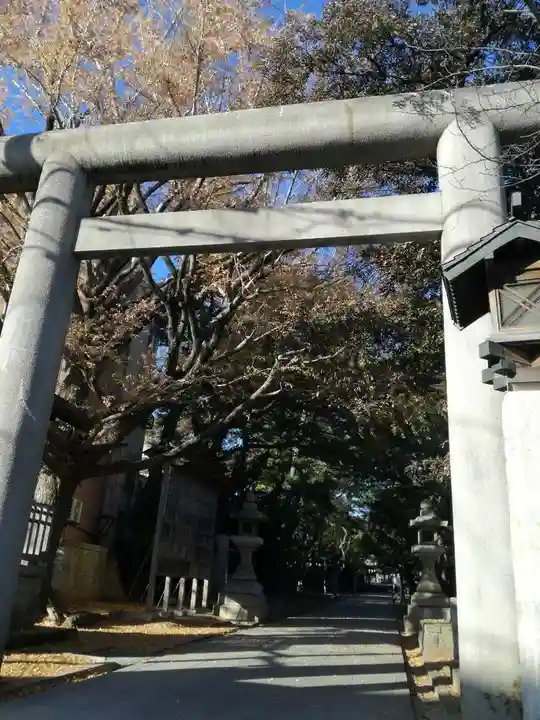
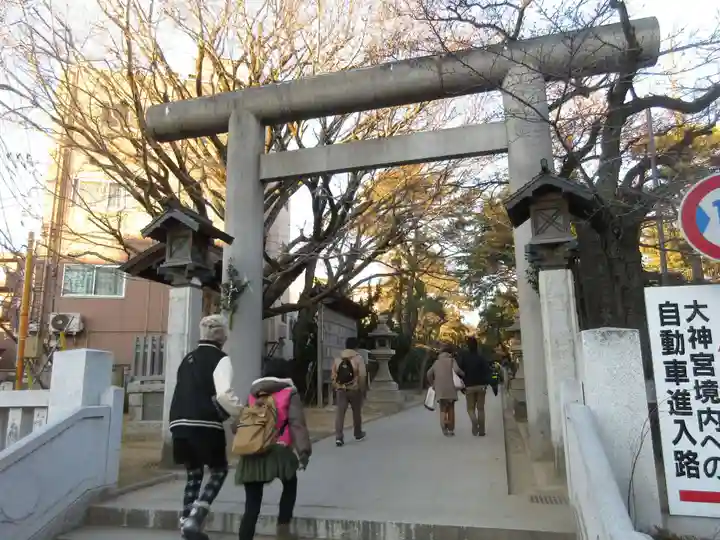
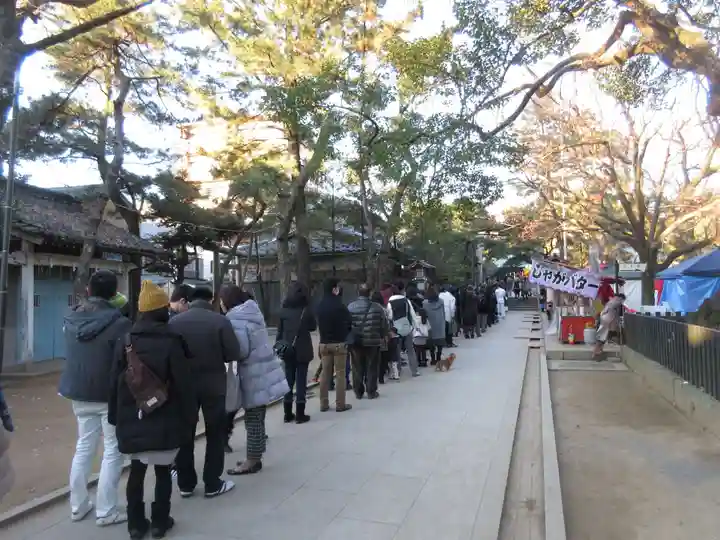
参道に大きな木が並んでいて、この神社だけ温度が少し低くく感じました。
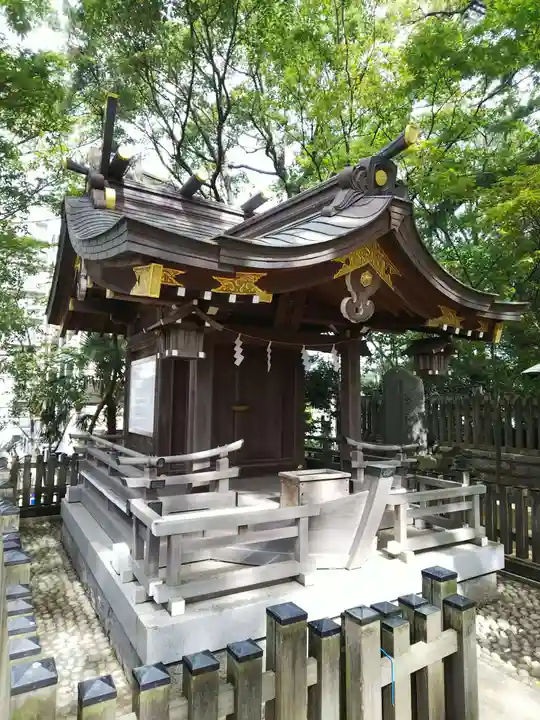
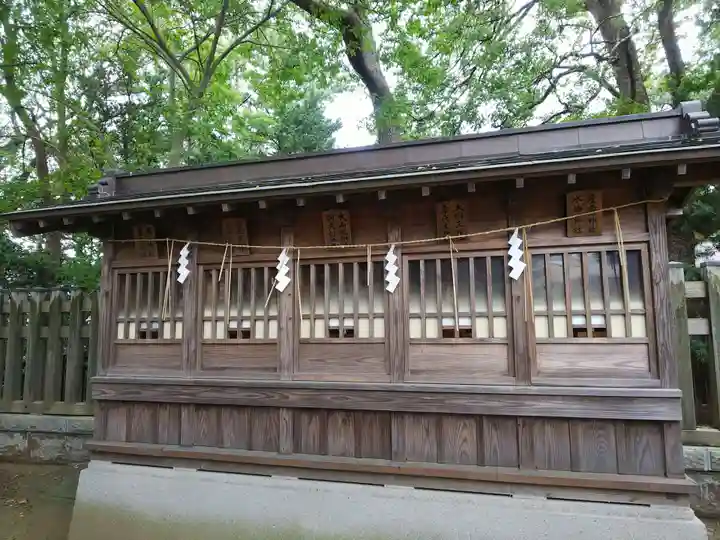
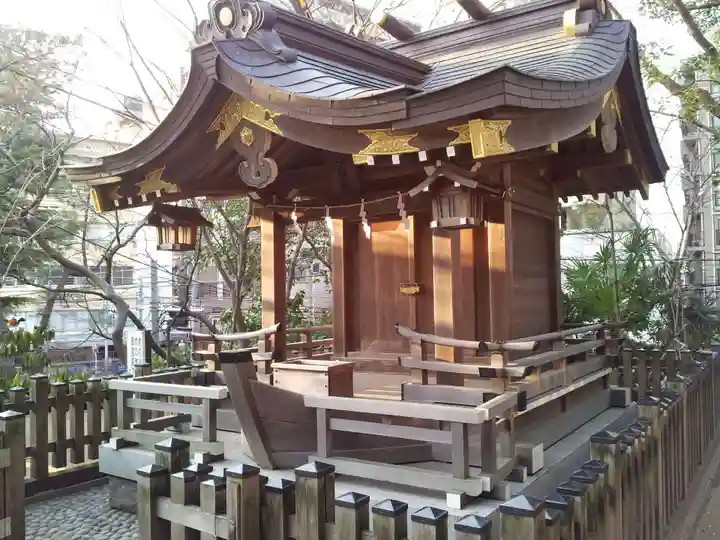
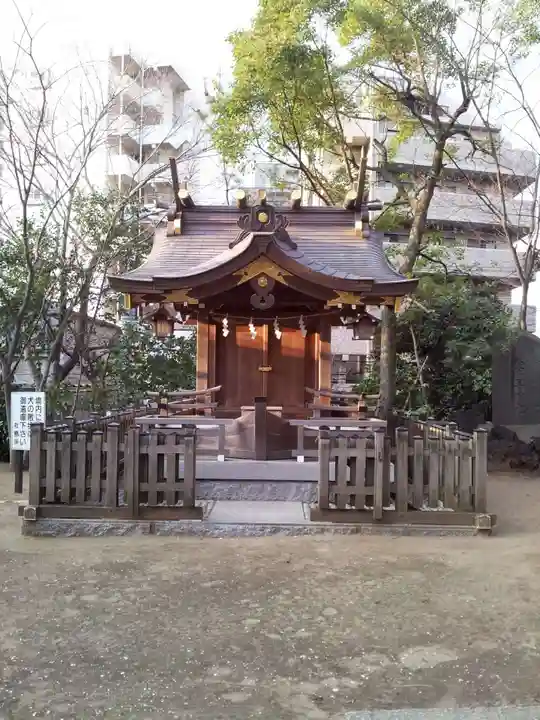
境内内は広く複数の御祭神が祀られています。本殿左手奥にある船玉神社は社殿が船の形をしています。
本殿右手の奥には常盤神社があります。
彩色漆塗り仕上げになっていて、とてもカラフルです。
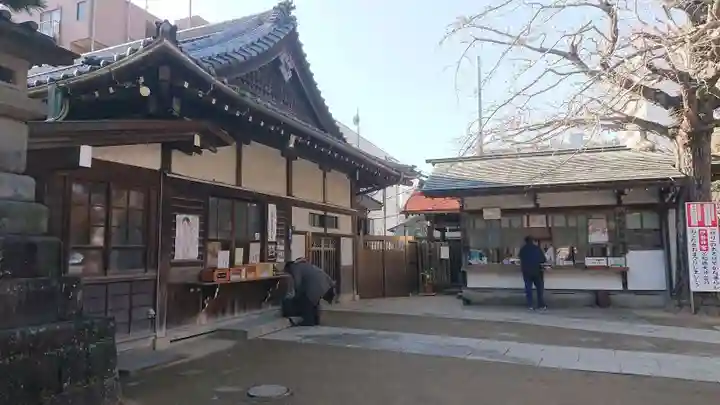
それぞれの社殿は歴史を感じる造りになっていますが、社務所が近代的な建物で少しミスマッチな感じがしました。
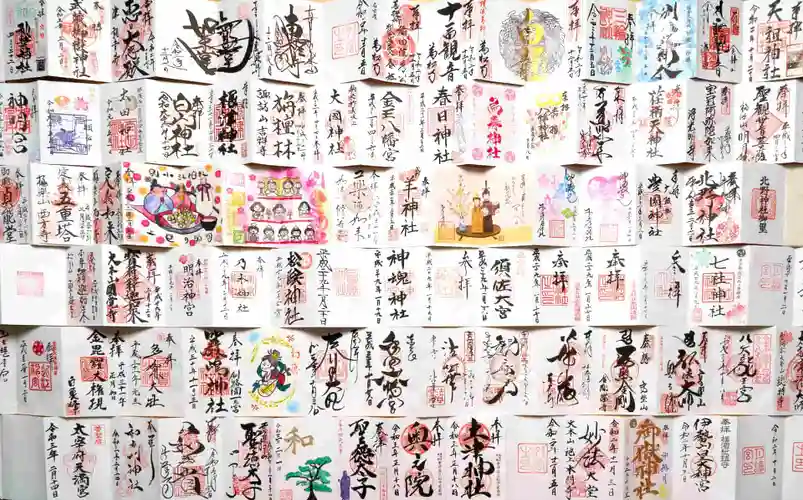
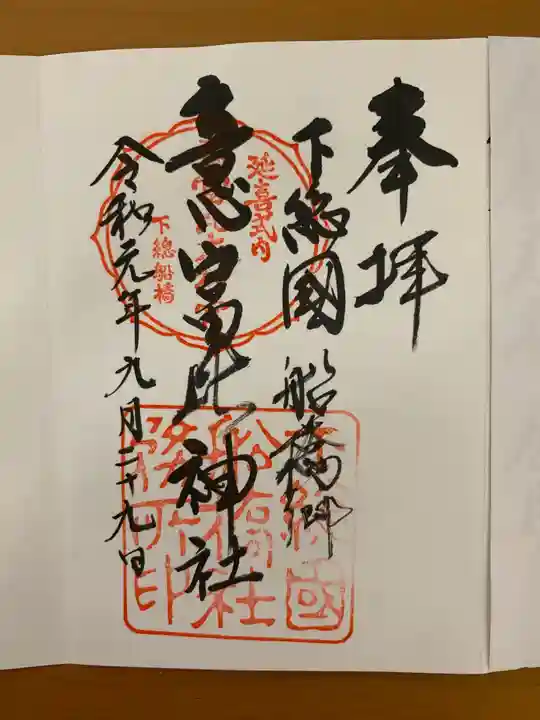
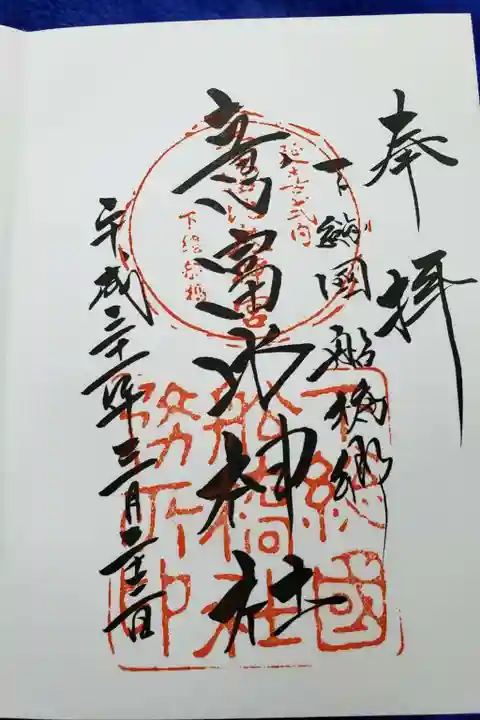
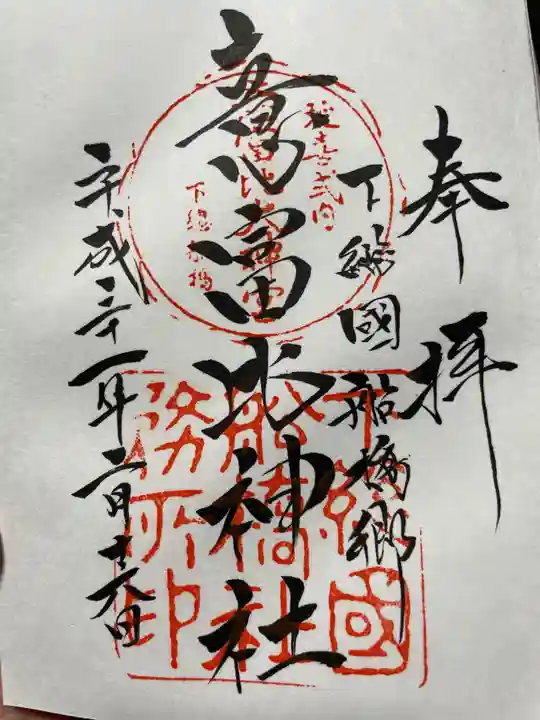
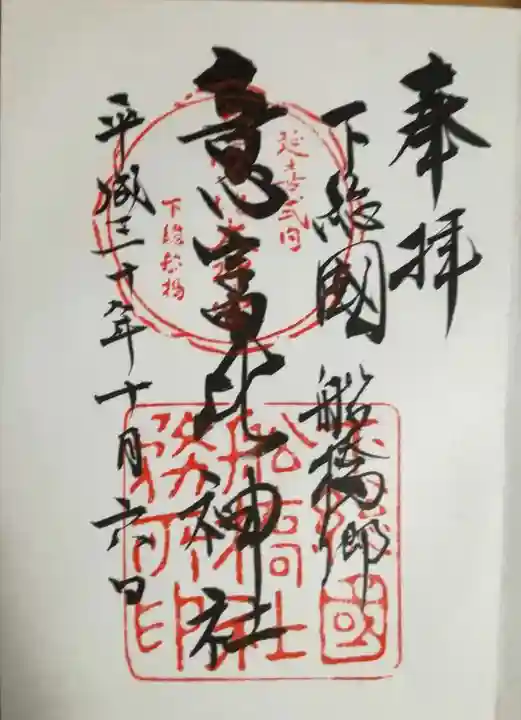
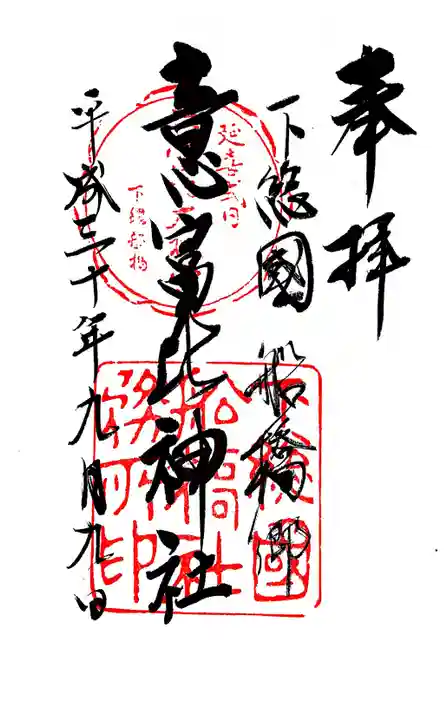
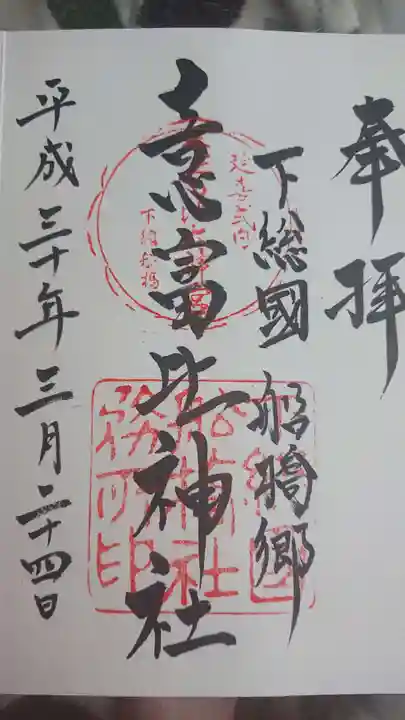
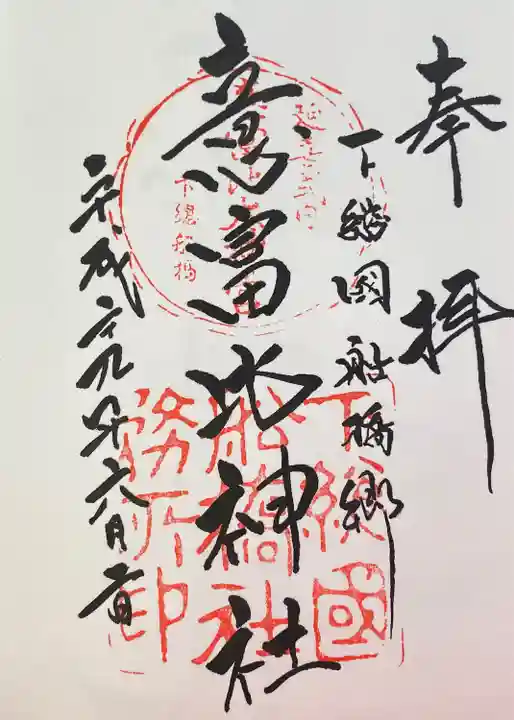
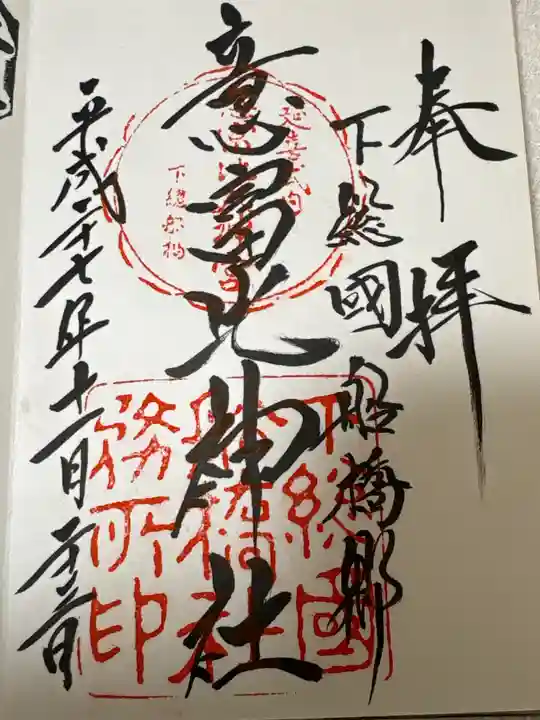
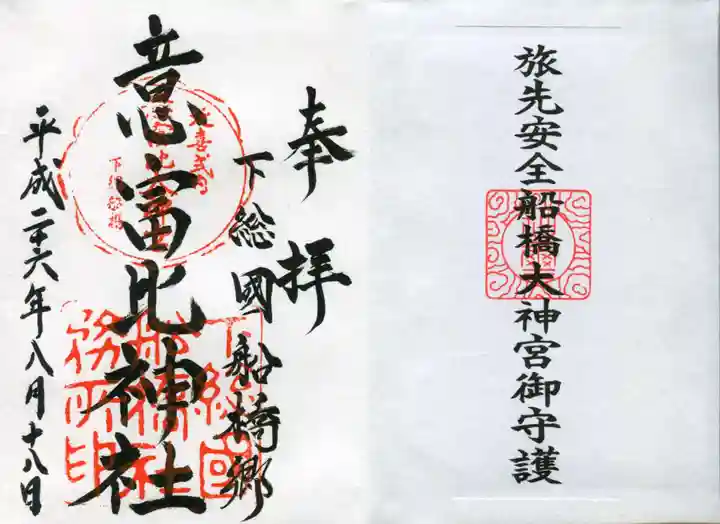
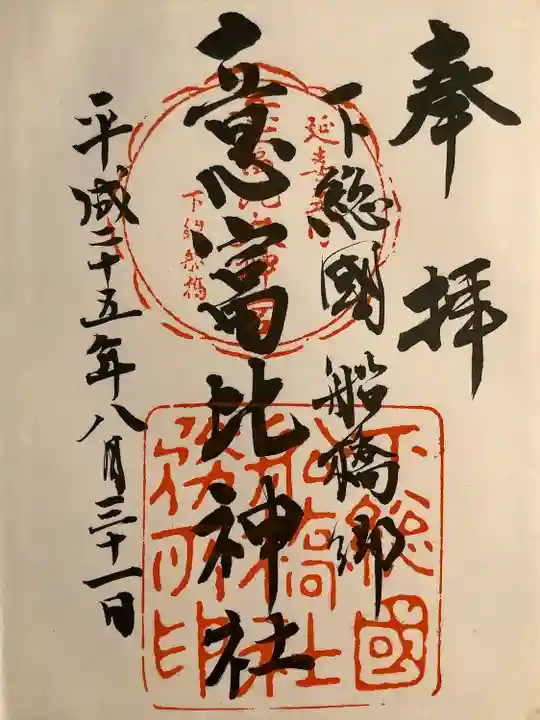
書き入れの御朱印をいただきました。

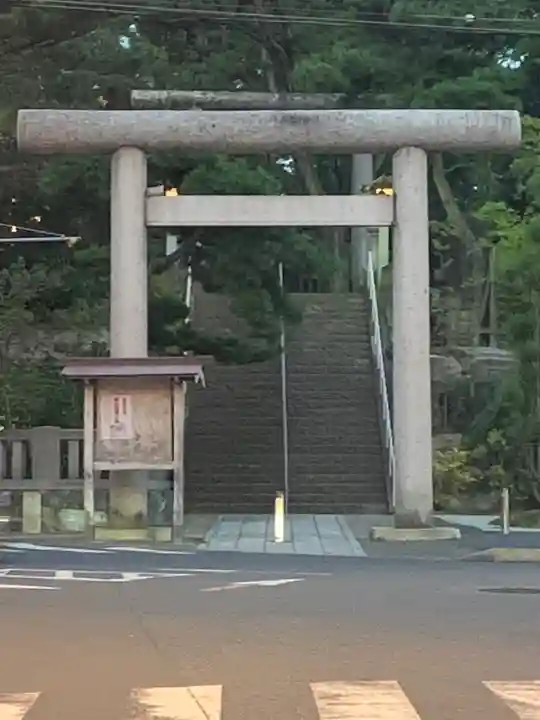
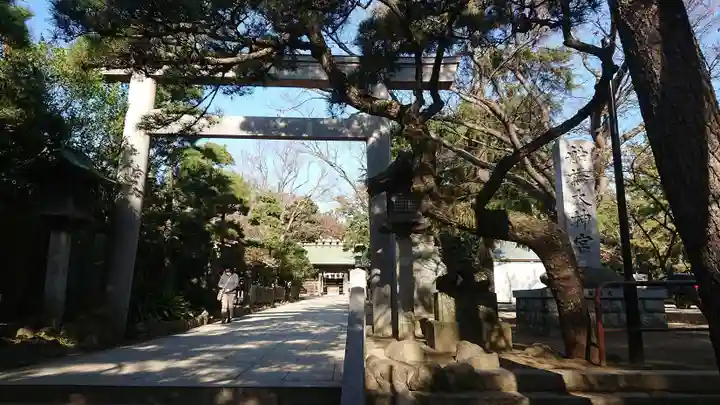
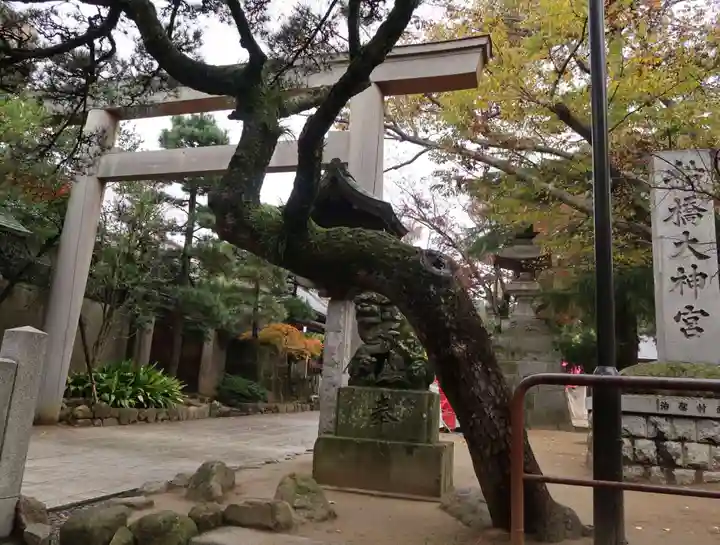
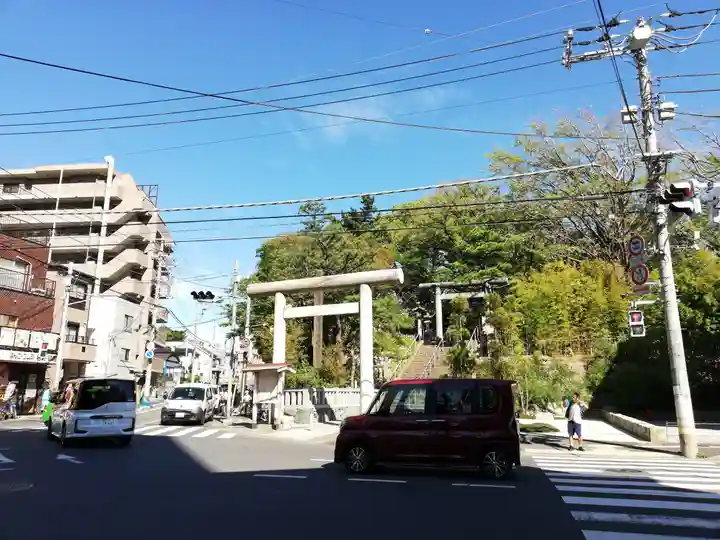
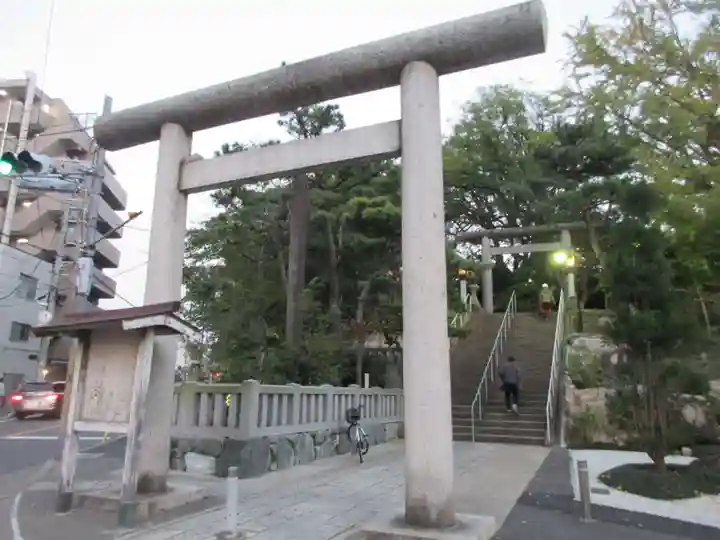
一之鳥居

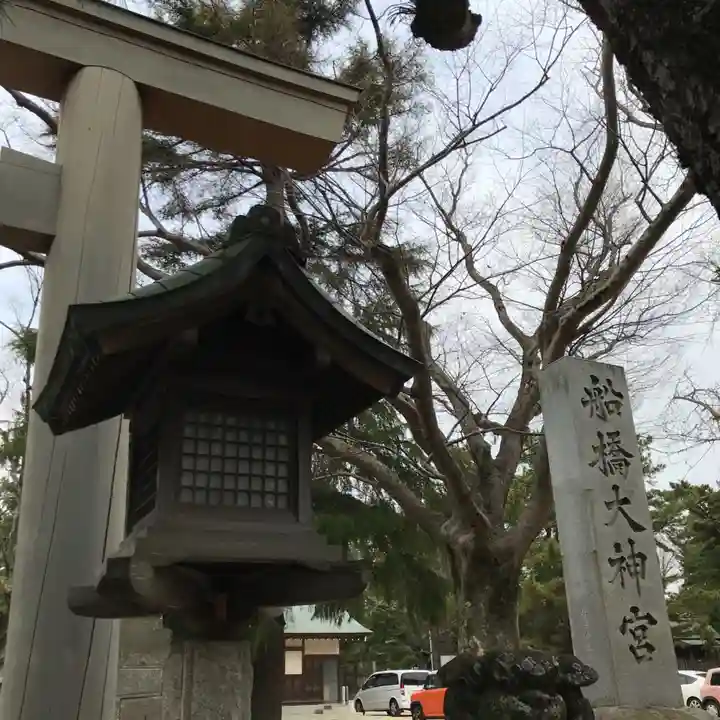
参道

本殿

船玉神社

境内風景図

常盤神社鳥居

常盤神社 本殿

常盤神社

手書き御朱印
千葉県のおすすめ3選🎍
最新の限定御朱印情報が届く!
御朱印メルマガを受け取ろう
利用開始をもって利用規約・プライバシーポリシーに
同意したものとみなします。

ホトカミで困ったこと、不具合のご報告はこちらから
お問い合わせ


9
0